The best professional wire puller can make electrical cable installation easier, especially when pulling wires through conduits with several bends or long sections of pipe. The right wire-pulling tool helps electricians guide cables more efficiently, reduce manual effort, and keep installation work organized.
A professional wire puller can refer to different tools, including manual fish tapes, fiberglass cable rods, and powered cable-pulling machines. Each type serves a different purpose, so choosing the right option depends on the installation, conduit size, cable type, and working conditions.
In this guide, we explain the main types of wire pullers, the features worth considering, and how to use and maintain them properly.
What Is the Best Professional Wire Puller?
A professional wire puller is a tool used to help route electrical wires and cables through conduits, walls, and other suitable pathways. Depending on the design, it may use a flexible steel tape, fiberglass rods, a pulling rope, or a powered mechanism.
Manual fish tapes are commonly used for everyday electrical installations. Fiberglass rods can be useful for shorter runs and certain accessible spaces, while powered pulling equipment may help with demanding jobs involving longer cable routes or heavier cables.
It is important to distinguish a manual wire-pulling tool from an electric cable-pulling machine. They are related tools, but they are not interchangeable in every situation.
Types of Wire Pullers for Electricians
Manual Fish Tape
A fish tape is a flexible strip, usually made from steel or another suitable material, that electricians feed through a conduit. Once it reaches the other end, a pulling line or cable can be attached and drawn back through the route.
Fish tapes are practical for many residential and commercial jobs. The appropriate tape length and material depend on the conduit layout and the manufacturer’s recommendations.
Fiberglass Cable Rods
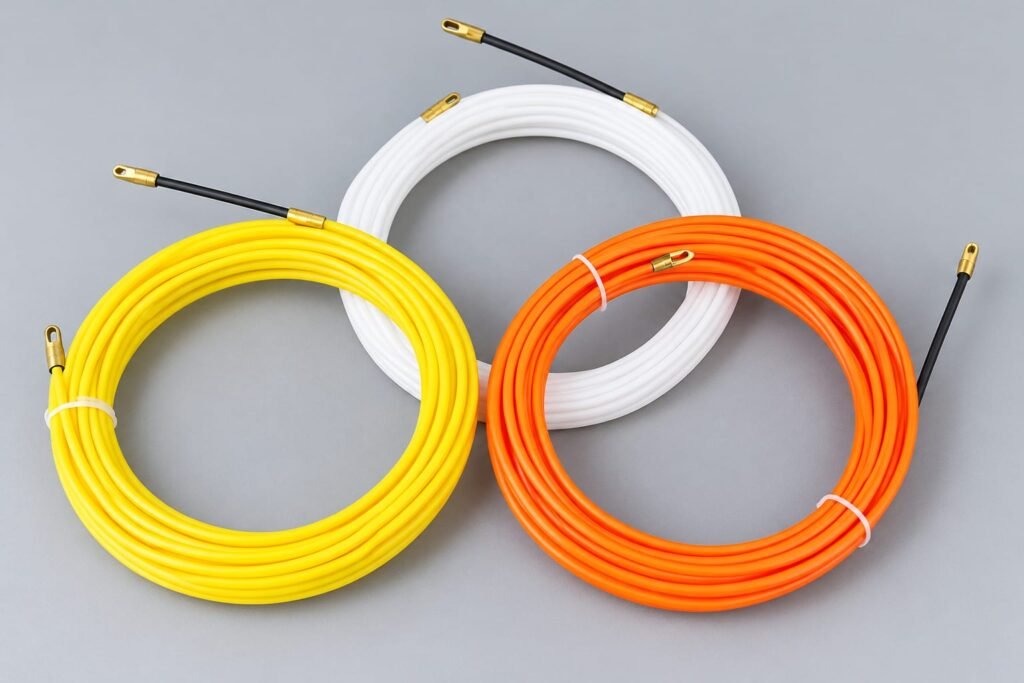
Fiberglass rods are often supplied in sections that connect together. They can help guide wires through accessible cavities, ceiling spaces, and some conduit runs.
Their flexibility and stiffness vary by design. Choose rods suitable for the route, and avoid forcing them around tight bends where they may become stuck or damaged.
Powered Cable-Pulling Machines
Powered cable pullers use a motorized mechanism to assist with pulling operations. Depending on the model, they may be suitable for demanding installations where manual pulling would require considerable effort.
Before choosing one, check the manufacturer’s specified pulling force, compatible cables, permitted accessories, power source, and safety instructions. A powered machine is not automatically suitable for every conduit or cable installation.
Key Features to Consider When Choosing a Wire Puller
Material and Durability
The material affects flexibility, handling, and resistance to wear. Steel fish tape is common for many conduit applications, while fiberglass options may be useful for particular routing tasks.
Look for a tool with a well-made housing, reliable connections, and a design suited to the conditions in which you work. Inspect the tape, rods, connectors, and pulling attachments regularly for damage.
Length and Flexibility
Choose a length that matches the routes you usually work on. A longer tool is not always better: extra length can make storage and handling more difficult, while a short tool may not reach the required distance.
Consider the number and sharpness of conduit bends as well as the available access points. These factors can affect how easily the tool moves through the route.
Handle and Housing Design
A comfortable handle and a secure housing can make a manual tool easier to control. For a reel-style fish tape, check that the tape feeds out and rewinds smoothly and that the locking mechanism works as intended.
For powered equipment, assess grip comfort, controls, portability, and access to replacement parts. Follow the manufacturer’s instructions for setup and operation.
Compatibility With the Job
Before buying, confirm that the tool is suitable for the conduit, cable type, route length, and installation conditions. Also check whether additional pulling leaders, connectors, or approved lubricants are required.
Never assume a tool’s pulling capacity or compatibility from its appearance alone. Use the published specifications for the exact model.
How to Use a Wire Puller More Effectively
- Inspect the route. Check the conduit path, entry points, bends, and likely obstructions before starting.
- Choose the correct tool. Match the tool to the conduit, cable, and pulling distance.
- Prepare the cable. Follow the cable and tool manufacturers’ instructions when attaching the pulling head or line.
- Feed the tool carefully. Guide it through the route without forcing it against resistance.
- Pull in a controlled manner. Avoid sudden jerks and excessive force. If resistance increases unexpectedly, stop and identify the cause.
- Check the cable afterward. Inspect for visible damage and follow the relevant electrical installation requirements before completing the work.
These steps can help reduce avoidable problems, but they do not replace the instructions for the specific tool or the applicable electrical standards.
Safety Tips for Cable-Pulling Work
Cable pulling requires attention to both electrical and mechanical hazards. Whenever possible, work on circuits that have been isolated and verified de-energized using appropriate testing procedures.
Keep hands clear of moving parts and pinch points, particularly when using powered equipment. Wear suitable protective equipment, secure the work area, and keep other people clear of the pulling route.
Do not exceed the tool’s rated pulling capacity or use damaged tape, rods, ropes, connectors, or accessories. Excessive pulling force can damage the cable, the tool, or the installation. For difficult runs, reassess the route and use equipment designed for the job rather than simply applying more force.
Related Tools for Electrical Work
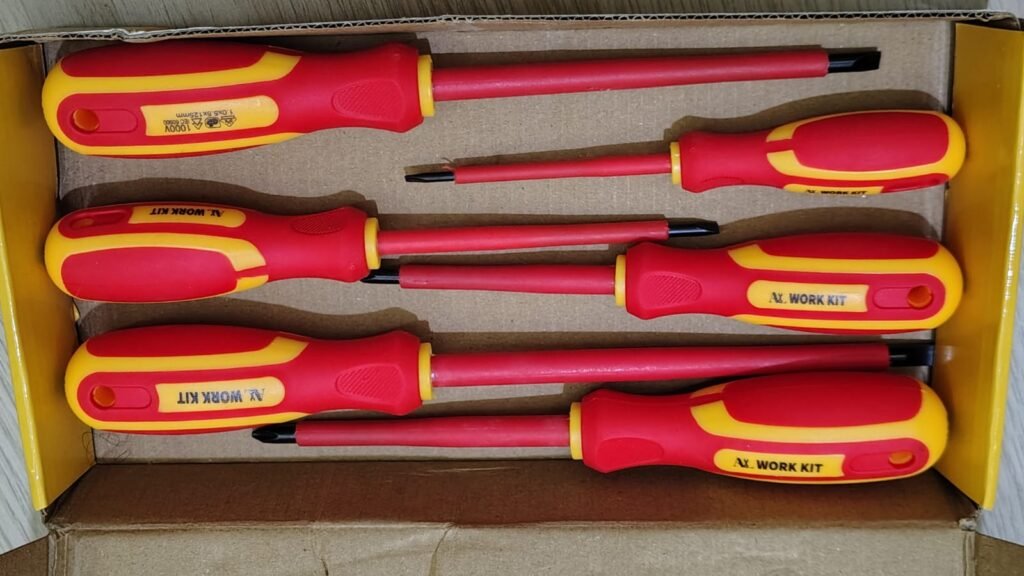
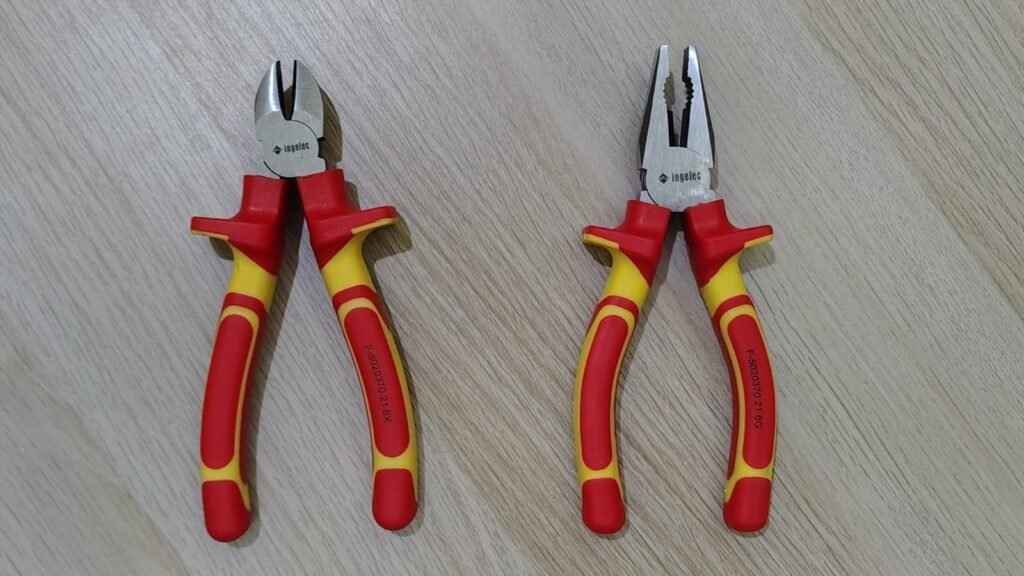
Electricians often use wire-pulling tools alongside other hand tools during installation and maintenance. The correct pliers can help with gripping and cutting tasks, while a suitable powered cable-pulling machine may assist with more demanding cable runs.
. Best Insulated Pliers for Electricians: Ultimate Safety & Performance Guide
. Best Electric Wire Pulling Machine Review: Cordless Automatic Cable Guide
Maintenance and Storage
Clean the tool after use and remove dirt or moisture according to the manufacturer’s recommendations. Allow wet components to dry before storing them, and inspect metal tape for corrosion, kinks, or sharp damaged edges.
Rewind fish tape carefully to prevent tangles and damage. Store fiberglass rods and accessories in a suitable case, and keep powered equipment, batteries, and chargers in accordance with their instructions.
Regular inspection helps identify wear before the next job. Replace damaged components rather than continuing to use a tool that may fail under load.
Final Thoughts
The best professional wire puller depends on the work you do. A manual fish tape is a practical choice for many everyday conduit runs, fiberglass rods can suit certain routing tasks, and powered cable-pulling equipment may be useful for more demanding installations.
Compare material, length, handling, compatibility, and manufacturer specifications before buying. Most importantly, use the tool within its rated limits and follow safe cable-pulling practices to help protect both the cable and the installer.