Why the Fluke 2AC VoltAlert Is a Useful Tool for Electricians
A non-contact voltage detector is a convenient tool for quickly checking whether AC voltage may be present near an electrical wire, outlet, or other electrical component. The Fluke 2AC VoltAlert is a compact, pen-shaped detector designed for this type of preliminary check.
I have personally used this device, and its compact design makes it convenient to carry in an electrician’s tool bag or pocket. Instead of making direct electrical contact with a conductor, the detector senses an AC electric field and provides a visual indication when voltage is detected.
This can be useful during electrical troubleshooting, maintenance, and preliminary inspections. However, the detector has limitations, and its indication should never be treated as proof that a circuit is safe to touch.
Key Features and Voltage Detection Range
The Fluke 2AC VoltAlert has a simple design intended to make preliminary voltage detection convenient. The following features are relevant to the version shown in this review.
- AC voltage detection: The detector senses an AC electric field without requiring direct contact with an exposed conductor.
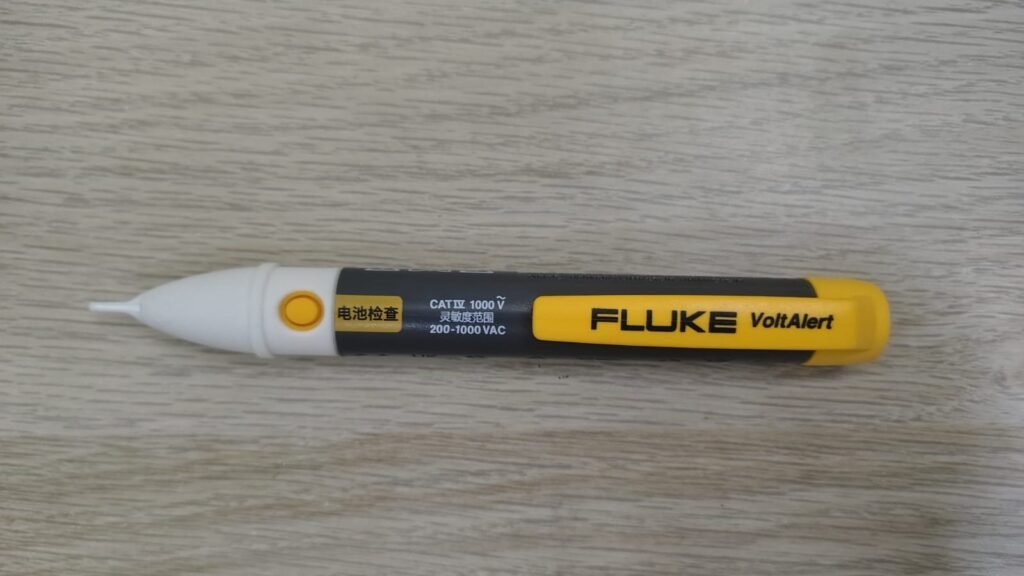
- Voltage range: The label on the device shown here indicates 200–1000V AC. Confirm the specified range for your exact model, as specifications may vary between versions.
- Visual indication: The tip lights up when the detector senses an AC voltage field within its operating conditions.
- Battery check button: The device shown has a dedicated button for checking the battery. Follow the manufacturer’s instructions and do not rely on this feature alone to verify that the detector is functioning correctly.
- Compact pen-style design: Its small size and pocket clip make it convenient to carry and use during electrical inspections.
- CAT IV 1000V marking: The pictured device carries this marking. Always verify the authenticity, exact model, and applicable manufacturer documentation before relying on a safety rating.
These features make the detector useful for preliminary checks, but its performance depends on the surrounding conditions, the type of wiring, and the voltage being detected.
. Fluke 2AC VoltAlert – Official Product Information
How Does the Fluke 2AC VoltAlert Work?
The Fluke 2AC VoltAlert detects the electric field associated with AC voltage. When the tip senses a suitable field, the indicator lights up to alert the user.
Because the detector does not need to touch a bare conductor, it can be useful for preliminary checks around accessible electrical installations. Nevertheless, the result can be affected by factors such as insulation, shielding, conductor position, distance, and the characteristics of the electrical system.
A positive indication suggests that AC voltage may be present. A negative indication does not prove that a conductor is de-energized. The detector may fail to identify voltage under certain conditions.
It is also important to understand that a non-contact voltage detector does not measure voltage precisely, test continuity, or establish whether an electrical ground is functioning correctly.
Practical Uses for Electricians and Tradespeople
The Fluke 2AC VoltAlert may be useful for several preliminary inspection tasks:
- Checking accessible outlets and electrical points for indications of AC voltage.
- Carrying out preliminary checks around accessible wiring and electrical equipment.
- Helping identify possible live conductors during troubleshooting.
- Performing quick checks before beginning a more detailed electrical test.
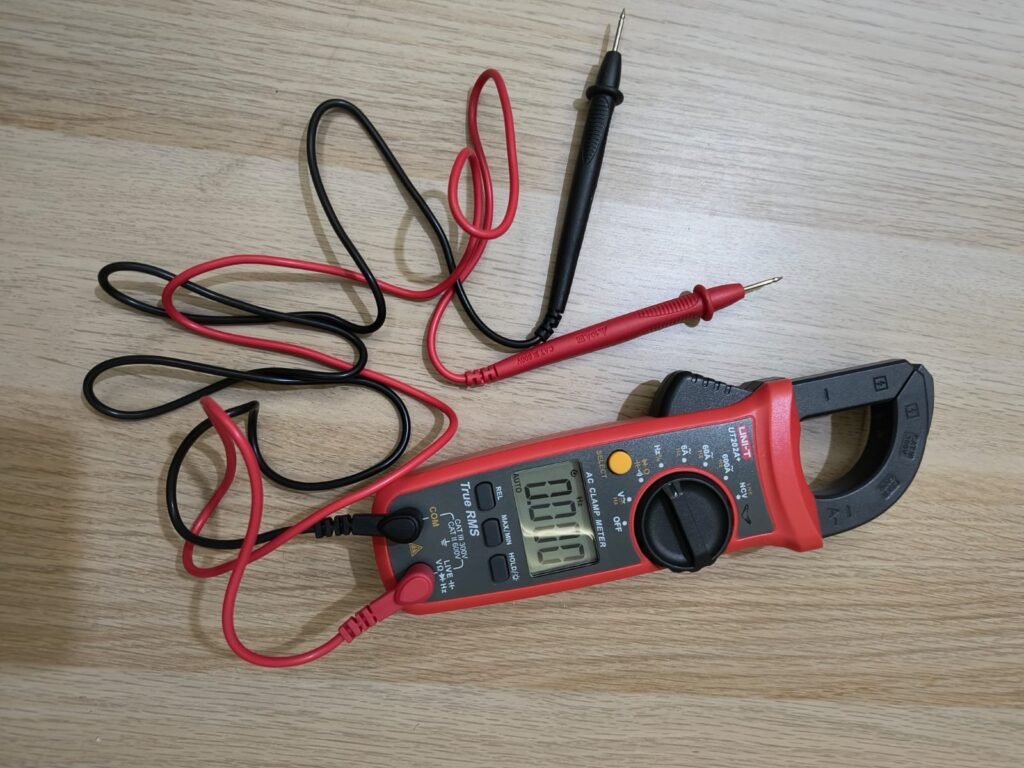
The detector is not a substitute for a properly rated two-pole voltage tester or multimeter when a more conclusive electrical measurement is required.
If you are comparing different tools for electrical work, read our guide to the following resource.
. Best Voltage Testers for Home Electrical Work in 2026
When preparing to drill into a wall, remember that a voltage detector pen is not designed to locate every concealed cable. A dedicated wall scanner is more appropriate for this task. Our guide explains what to consider when choosing one.
. Best Wall Scanner for Detecting Wires and Studs: Features and Buying Guide
Important Safety Limitations
A non-contact voltage detector is a preliminary checking tool, not a complete electrical safety solution.
A detector may fail to indicate voltage because of shielding, the position of the conductor, insufficient electric-field strength, or other environmental and installation conditions. It may also indicate voltage where induced or nearby electric fields are present.
For this reason:
- Never assume a circuit is safe just because the detector does not light up.
- Before working on a circuit, isolate the appropriate supply and follow the applicable electrical safety procedures.
- Verify the absence of voltage using a suitable, correctly rated contact voltage tester and the method required by the manufacturer and local safety rules.
- Check that your test instrument is working on a known live source before and after the absence-of-voltage test.
- Never touch exposed conductors based solely on a non-contact detector’s indication.
The CAT rating printed on a tool must also be understood in the context of its exact model, intended use, and manufacturer documentation. A CAT IV marking does not mean that every electrical task is safe or that the detector can replace the required test equipment.
Maintenance Tips for Your Fluke 2AC VoltAlert
Keeping the detector clean and checking its condition can help maintain reliable operation.
1. Check the Detector Before Use
Follow the manufacturer’s instructions to confirm that the detector responds correctly to a known live AC source before relying on it. Repeat the check afterward. The battery check button, where provided, is not a substitute for this functional test.
2. Keep the Tip and Housing Clean
Wipe the detector with a clean, dry cloth. Avoid petrol, oils, and harsh chemical solvents unless the manufacturer specifically approves them, as unsuitable cleaning products may damage the housing or materials.
3. Inspect the Device Regularly
Look for cracks, damage, loose parts, or other signs of wear. Do not use a damaged detector, and replace batteries according to the manufacturer’s instructions.
4. Store It Properly
Keep the detector in a suitable tool pouch or organizer where it will not be crushed, exposed to moisture, or damaged by sharp tools.
Is the Fluke 2AC VoltAlert Worth Considering?
The Fluke 2AC VoltAlert is a compact and convenient option for electricians who need a non-contact detector for preliminary AC voltage checks. Its pen-style shape makes it easy to carry, while its visual indication helps users identify situations that require further investigation.
However, it is important to understand its limitations. It does not provide an exact voltage measurement, reliably identify defective grounds, or prove that a circuit is safe to touch.
Before purchasing, confirm the specifications of the exact model, including its voltage detection range and applicable safety ratings. Choose a detector that matches your work requirements, and always use the appropriate test equipment and safety procedures for electrical isolation.
Final verdict: The Fluke 2AC VoltAlert can be a useful addition to an electrician’s toolkit when used for its intended purpose. Its greatest value is convenience during preliminary checks—not replacing proper voltage testing or established electrical safety procedures.