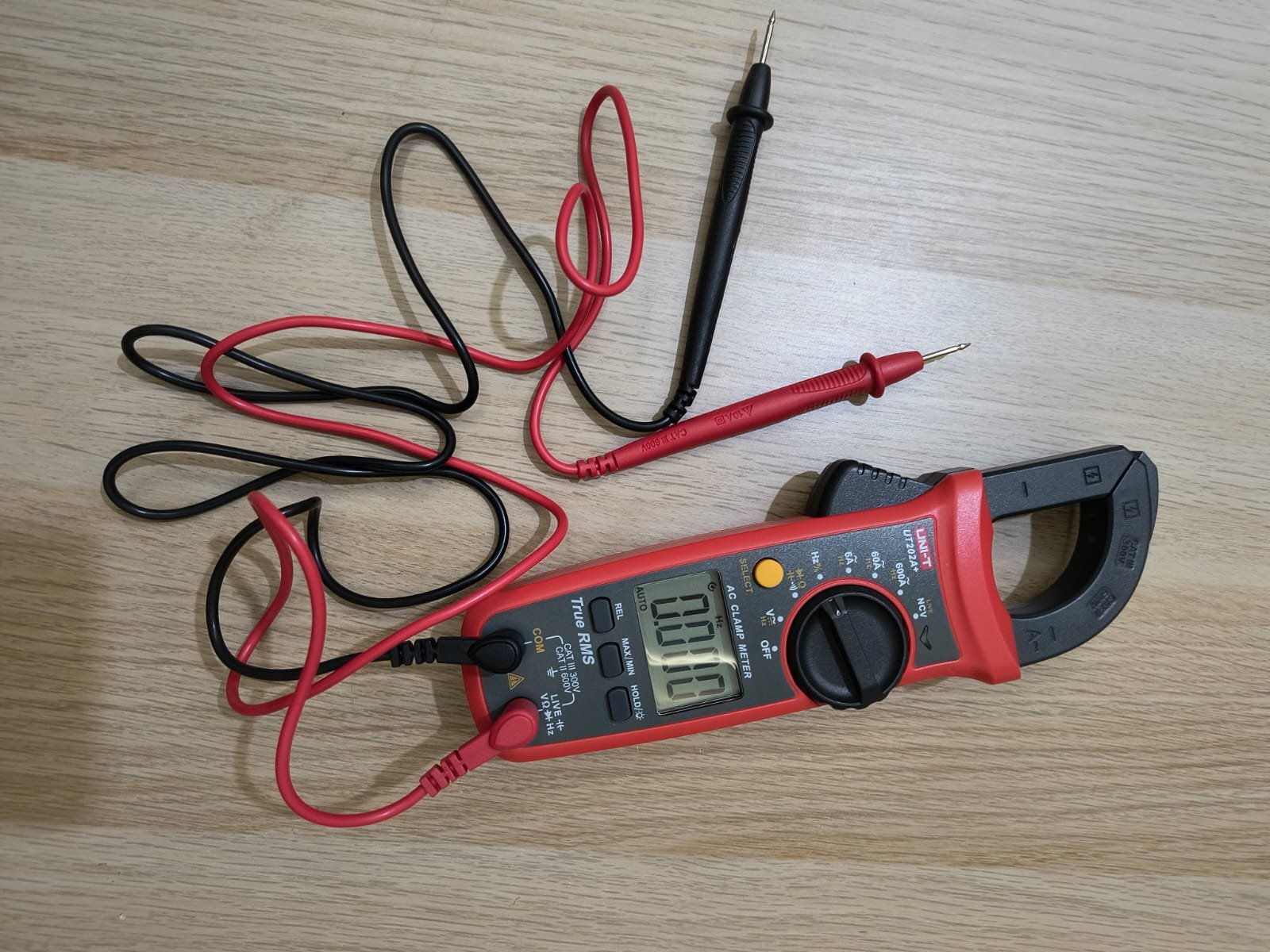
If you work with electricity – whether professionally or around the house – a reliable voltage tester is one of the most important tools you can own. It tells you instantly whether a wire, socket, or circuit is live before you touch it, which can literally save your life.
With over 28 years of hands-on electrical experience, I’ve used dozens of voltage testers on the job. Here’s what actually matters when choosing one, and which types work best for different situations.
What to Look For in a Voltage Tester
1. Non-Contact vs. Contact Testers
Non-contact testers detect voltage without touching bare wires, making them faster and safer for quick checks. Contact testers (multimeters) give more precise readings but require direct contact with the circuit.
2. Voltage Range
Make sure the tester covers both low-voltage (household, 110-250V) and higher ranges if you work on larger systems.
3. Build Quality and Safety Ratings
Look for CAT III or CAT IV safety ratings, which indicate the tester can handle higher energy surges safely.
4. Auto-Shutoff and Battery Indicator
These are useful features that prevent dead batteries from giving you a false “no voltage” reading – a dangerous mistake.
Our Recommendation
For most homeowners and DIY electricians, a non-contact voltage tester is the safest and easiest starting point. It should always be paired with a basic multimeter for more detailed diagnostics when needed.
Always test your tester on a known live source before and after checking a circuit, to make sure it’s actually working – this simple habit has saved me from mistakes more than once in nearly three decades of electrical work.
Leave a Reply