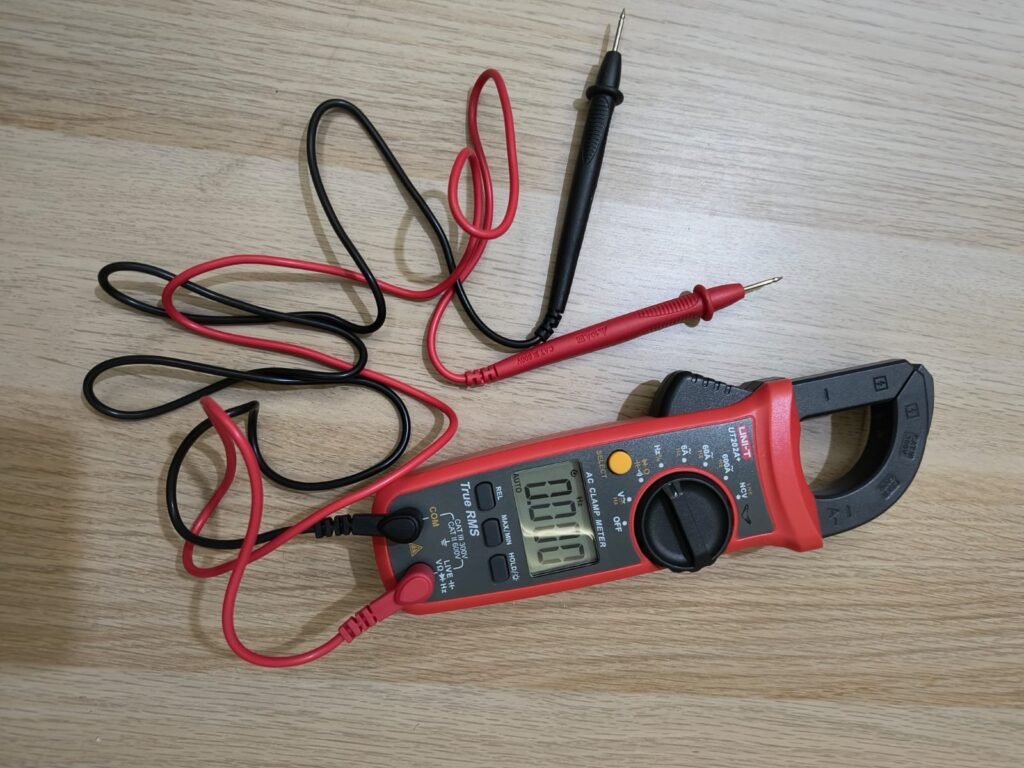
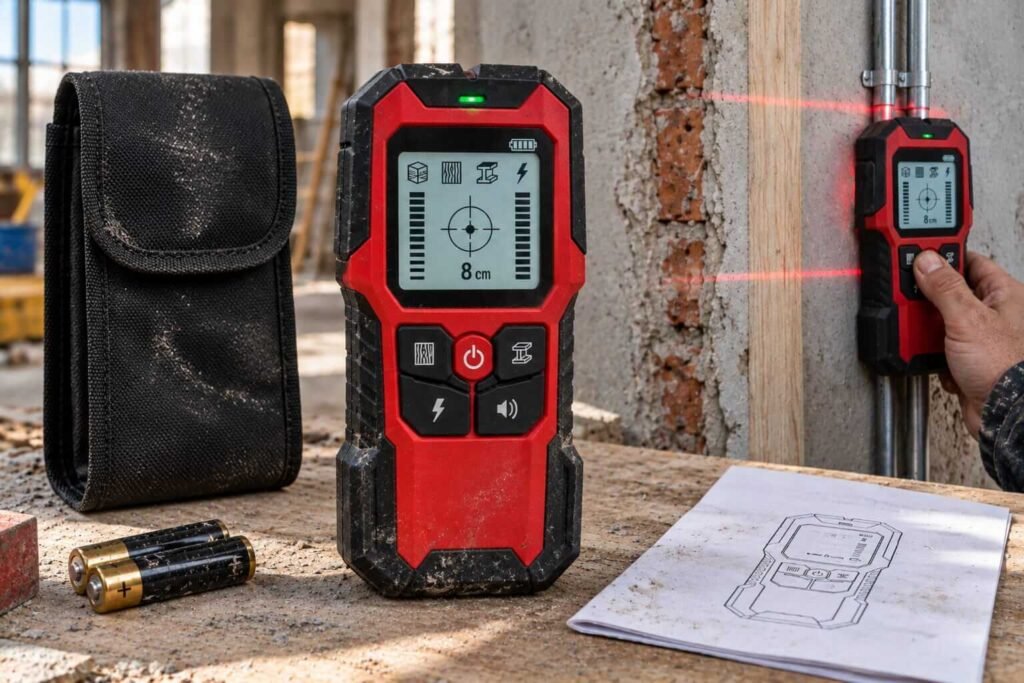
Introduction
.Choosing the best wall scanner for detecting wires and studs can help you identify potential obstacles before drilling into walls. Depending on the model, these tools can detect certain electrical wires, metal objects, and wooden or metal studs. In this guide, we explain the key features to consider, the limitations of wall scanners, and how to choose the right tool for your work. Remember that no wall scanner can guarantee that a drilling location is completely safe.
What Is a Wall Scanner?
A wall scanner is a handheld detection tool designed to locate selected objects hidden behind walls, ceilings, and other building surfaces.
Depending on its technology, a wall scanner may detect:
- Live electrical wires: Helps identify certain energized electrical cables behind walls.
- Metal objects: Detects some metal pipes, metal framing, screws, and other metallic materials.
- Wooden studs: Helps locate the wooden framing behind plasterboard or drywall.
- Metal studs: Identifies metal framing in suitable wall constructions.
- Certain plastic pipes: Some advanced scanners may detect specific plastic pipes under suitable conditions, but basic models generally cannot reliably identify all plastic plumbing.
Wall scanners are useful for electricians, carpenters, plumbers, installers, and homeowners who need to understand what may be hidden behind a wall before carrying out work.
Why Do You Need a Wall Scanner?
A wall scanner can make many installation and renovation tasks easier by providing information about objects that cannot be seen from the surface.
1. Detecting Electrical Wires
Electrical cables may run vertically or horizontally through walls to supply sockets, switches, lighting, and other electrical equipment.
A scanner with live-wire detection can help identify some energized cables before drilling or cutting. This is particularly useful when installing electrical accessories, mounting equipment, or carrying out renovation work.
However, wire detection has limitations. Some cables may remain undetected because of their depth, shielding, surrounding materials, or operating conditions. Never assume that a wall is free of electrical wiring simply because the scanner gives no warning.
2. Locating Wooden and Metal Studs
Studs provide structural support behind many plasterboard and drywall surfaces. Finding them can help when installing shelves, cabinets, brackets, and other fixtures that require secure mounting.
Some scanners identify stud edges, while more advanced models can indicate the approximate center. A magnetic stud finder offers a different approach by locating metal fasteners associated with framing.
The right tool depends on the wall construction and the type of installation you are planning.
3. Identifying Metal Objects
Metal detection can help locate certain metal pipes, framing components, fasteners, and other objects behind a wall.
This feature is useful during plumbing work, carpentry, and general renovation. Nevertheless, a metal warning does not automatically tell you what the object is. A detected metal object could be a pipe, a cable conduit, a screw, or another component.
4. Preparing for Renovation Work
When installing cabinets, mounting a television, fitting wall brackets, or making changes to a room, a wall scanner can provide useful information before work begins.
It can reduce guesswork, but it should be treated as one part of the inspection process rather than a substitute for identifying hidden services and following appropriate safety procedures.
Key Features to Look for in a Wall Scanner
Wall scanners vary in their detection capabilities, ease of use, and suitability for different surfaces. Before choosing one, consider the following features.
1. Live Electrical Wire Detection
For work around electrical installations, look for a model that specifically states it can detect live AC wiring.
Check the manufacturer’s instructions to understand which types of cables it can detect and under what conditions. A feature described as metal detection is not necessarily the same as live-wire detection.
For electricians and anyone working around electrical installations, understanding the difference between wall scanning and voltage testing is essential.
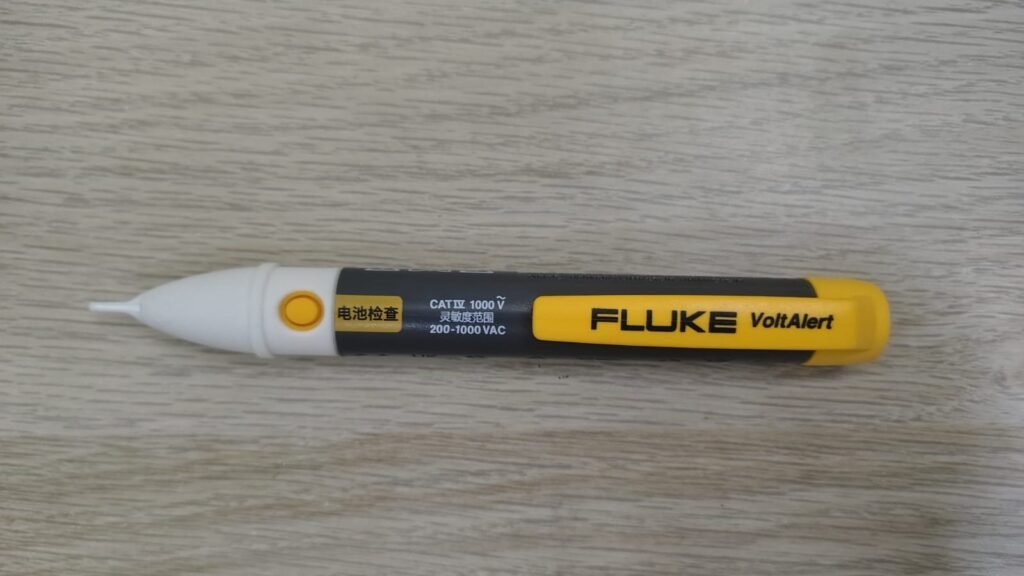
.Fluke 2AC VoltAlert Review: The Ultimate Non-Contact Voltage Detector Guide
A non-contact voltage tester is used to check for the presence of voltage under the conditions specified by its manufacturer. Read our guide to understand this type of electrical testing tool.
Remember that a voltage tester and a wall scanner serve different purposes. Neither should be used as a guarantee that concealed wiring is safe to drill into.
2. Metal Detection Mode
A metal detection mode can help locate certain metallic objects behind walls.
This feature may be useful when working around metal framing, pipes, or metal components within building structures. However, the types of metals detected and the maximum detection depth vary by model.
Check the specifications carefully, particularly if you work with masonry, reinforced concrete, or tiled surfaces.
3. Wood Stud Detection
If your main task involves installing shelves, cabinets, or wall-mounted equipment, stud detection is an important feature.
Basic electronic stud finders estimate the location of framing by measuring changes in the wall. More advanced models may offer clearer indications of stud edges and centers.
Magnetic stud finders can also be useful, especially when the framing is held in place by detectable metal screws or nails.
4. Detection Depth
Manufacturers often advertise a maximum detection depth, but this figure should not be considered a guarantee of performance in every situation.
Actual results depend on the material being detected, the wall construction, the thickness of the surface, and the scanner’s technology.
A tool that works well on standard drywall may perform differently on thick plaster, tiled walls, masonry, or reinforced concrete.
Choose a model whose published specifications match the surfaces you work with most often.
5. Display and Warning Signals
A clear display can make a scanner easier to use, particularly when several detection modes are available.
Useful features may include:
- A readable digital screen.
- Visual indicators for detected materials.
- Audible warning signals.
- Clear mode selection.
- Battery-level warnings.
- Simple calibration instructions.
A straightforward interface can be more valuable than a long list of advanced features that you rarely need.
6. Calibration and Ease of Use
Some electronic scanners require calibration before scanning, while others provide automatic calibration features.
Incorrect calibration, low batteries, moving too quickly, or failing to keep the tool flat against the wall can affect readings.
Look for a model with clear instructions and a calibration procedure that suits your experience level.
7. Compatibility With Different Wall Materials
Not every scanner works equally well on every surface.
Before purchasing, check whether the manufacturer supports the wall materials you expect to encounter, such as:
- Standard drywall or plasterboard.
- Plastered walls.
- Tiled surfaces.
- Brick and masonry.
- Concrete.
- Walls containing metal reinforcement.
Moisture, metallic coverings, foil-backed insulation, and unusual wall construction can interfere with some detection technologies.
If you regularly work on concrete or complex building structures, a basic household stud finder may not be sufficient.
How to Choose the Right Wall Scanner for Your Work
Choosing the best wall scanner depends on the materials you need to detect, the type of walls you work with, and the features required for your projects.
For Homeowners and Occasional DIY
If you mainly hang pictures, install light shelves, or complete occasional home improvement tasks, a basic electronic stud finder may be sufficient.
Consider a model that can locate studs and warn about live electrical wiring if those features are important for your projects.
For Electricians
Electricians should pay particular attention to the scanner’s live-wire detection capabilities, operating instructions, and limitations.
A wall scanner can help investigate a work area, but it is not a replacement for proper electrical isolation, suitable voltage-testing procedures, or the safety practices required for the job.
For Carpenters and Installers
For mounting cabinets, brackets, and other fixtures, stud detection and clear center indication may be especially useful.
Choose a tool that suits the wall materials and provides readings that are easy to interpret.
For Plumbers and Renovation Professionals
If you frequently work around plumbing, metal pipes, or concealed services, compare the scanner’s supported detection modes carefully.
Do not assume that a scanner can detect every pipe, particularly plastic plumbing. Advanced models may offer additional capabilities, but the exact specifications and limitations must be checked before purchase.
Wall Scanner vs. Voltage Tester: What Is the Difference?
These tools are related to electrical safety, but they are designed for different jobs.
A wall scanner helps locate certain objects hidden behind a surface, depending on the model.
A voltage tester helps determine whether voltage is present at a point or on an accessible conductor, depending on the tester’s design and the test method.
A wall scanner with live-wire detection does not perform the same function as a dedicated voltage tester. Likewise, a voltage tester is not generally designed to map the position of studs, pipes, or cables inside a wall.
If you are comparing tools for electrical work, see our guide below.
.Best Voltage Testers for Home Electrical Work in 2026
This guide can help you understand the types of voltage testers available for household electrical tasks and the features to consider when choosing one.
Understanding the difference helps you choose the right equipment for each task instead of expecting one tool to do everything.
How to Use a Wall Scanner More Effectively
Always read the manufacturer’s instructions before using your scanner. The correct procedure varies between models.
The following general practices can help you obtain more useful information.
Before drilling into a wall, it is important to consider the risk of hidden electrical cables. For additional electrical safety advice, read the guide below.
.Electrical Safety Advice for DIY-ers
Step 1: Inspect the Work Area
Look for nearby sockets, switches, plumbing fixtures, radiators, and other features that may indicate the presence of concealed services.
If available, consult building plans or previous installation records.
Step 2: Check the Scanner
Make sure the batteries are in good condition and select the appropriate detection mode for your task.
Calibrate the tool as instructed by the manufacturer.
Step 3: Scan Slowly
Keep the scanner in contact with the wall as directed and move it slowly across the area.
Rushing the scan or changing the tool’s position can affect the readings.
Step 4: Repeat the Scan
Scan the area again and, where the instructions allow, approach suspected objects from another direction.
Compare the results rather than relying on a single indication. If the readings are inconsistent or confusing, stop and investigate further.
Step 5: Treat Warnings Seriously
If the scanner indicates a possible cable, pipe, or other concealed object, do not ignore the warning.
Do not drill simply because another scan produces a different result. If the location remains uncertain, choose an independently verified alternative or consult a qualified professional.
Step 6: Follow the Necessary Safety Procedures
Before penetrating a surface, consider the possible presence of electrical wiring, plumbing, and other services. Isolate relevant supplies when appropriate and follow the tool manufacturer’s instructions and applicable safety requirements.
A scanner’s lack of warning does not prove that the area is safe.
Common Mistakes to Avoid
Even a good wall scanner can produce misleading results if it is used incorrectly.
Avoid these common mistakes:
- Relying on one scan: Repeat readings and investigate inconsistencies.
- Ignoring wall materials: Thick plaster, tile, moisture, and metal coverings can affect detection.
- Assuming every scanner detects live wires: Check the exact capabilities of the model.
- Confusing metal detection with pipe identification: The tool may detect metal without identifying what it is.
- Choosing based only on advertised depth: Detection depth varies with the target and wall conditions.
- Ignoring the manufacturer’s instructions: Calibration and scanning methods differ between devices.
- Drilling after a negative reading: No scanner guarantees that a wall is free of concealed hazards.
These precautions are particularly important when working near electrical installations, kitchens, bathrooms, and areas where plumbing may be concealed.
Is a Wall Scanner Worth Buying?
A wall scanner can be a useful addition to a toolbox if you regularly install fixtures, work on electrical systems, mount cabinets, or carry out renovation projects.
For occasional household tasks, a simple stud finder with suitable warning features may be enough. For frequent professional work, a more capable scanner may be worth considering if its detection modes match the materials and services you encounter.
Before purchasing, compare the manufacturer’s specifications, supported wall materials, detection capabilities, ease of use, warranty, and available instructions.
Most importantly, remember that a wall scanner provides information about possible hidden objects. It does not remove the need for careful inspection and appropriate safety procedures.
Final Thoughts
Choosing the right wall scanner starts with understanding the work you need to do. Stud detection, metal detection, live-wire warnings, scanning depth, and wall compatibility are all important factors to consider.
Rather than choosing a tool simply because it advertises the greatest number of features, focus on the capabilities that match your projects and the building materials you work with.
Whether you are an electrician, carpenter, installer, or homeowner, a suitable scanner can help you investigate a wall before drilling. Used correctly and with an understanding of its limitations, it can be a valuable part of a careful approach to installation and renovation work.