The best wire stripper and cutter is an essential hand tool for electricians who regularly prepare electrical wires for installation and connection. Choosing the right tool depends on the wire gauges you work with, the type of insulation, and the cutting functions you need. A suitable wire stripper helps remove insulation cleanly while reducing the risk of damaging the conductor when used correctly.Choosing the best wire stripper and cutter depends on the wire gauge, insulation type, and cutting features required for the job.
Why Choose the Best Wire Stripper and Cutter?
When preparing electrical wires, using an unsuitable tool can damage the conductor or leave an uneven stripping result. A dedicated wire stripper is designed to remove insulation from compatible wire sizes more accurately than improvised methods.
As an electrician who owns and uses wire-stripping tools, I know how important it is to choose a tool that suits the job. Clear gauge markings, comfortable handles, and a practical cutting edge can make routine wiring tasks easier to manage.
Whether you are working on switches, sockets, lighting circuits, or control wiring, selecting the correct stripping notch helps reduce the chance of nicking the metal conductor. Always disconnect the power and verify that the circuit is de-energized before working on electrical wiring.
.• Wire strippers and cutters from Klein Tools
Key Technical Features and Gauge Accuracy
When comparing wire strippers, pay attention to their construction, gauge markings, cutting edges, spring mechanism, and handle design. These features can affect how convenient the tool is to use during regular electrical work.
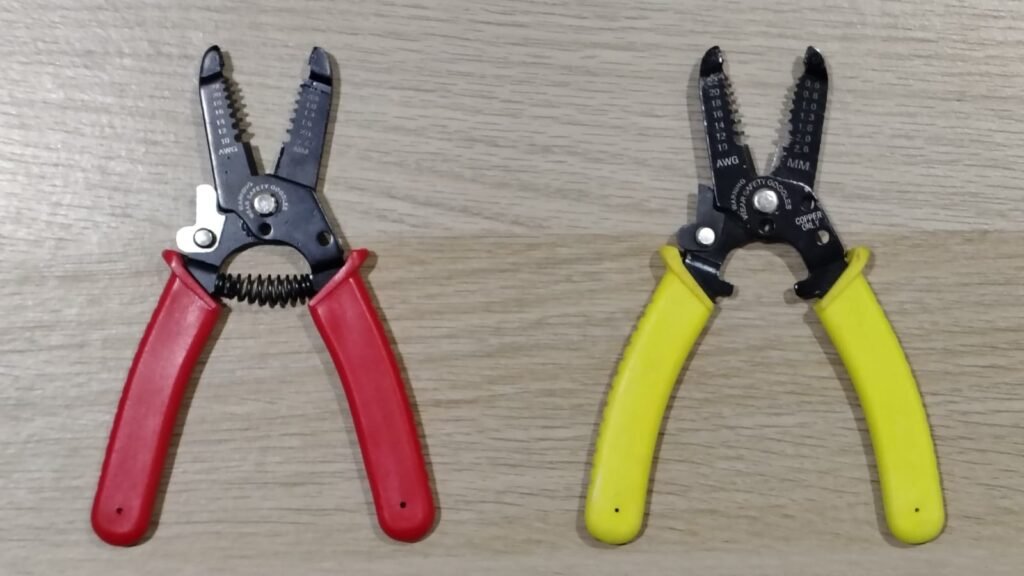
- Clearly Marked Wire Gauges: Gauge markings help you select the appropriate stripping notch for the wire size. Depending on the model, markings may use American Wire Gauge (AWG), metric sizes, or both. Check the markings on your specific tool before use.
- Integrated Cutting Edge: Many wire strippers include a cutting edge for trimming compatible conductors. Check the manufacturer’s specifications to determine which wire materials and sizes the cutting section can handle.
- Return Spring: Some models have a spring between the handles that helps reopen the jaws after each operation. This feature can make repeated stripping tasks more convenient.
- Comfortable Grip Handles: Coated or textured handles can improve grip and control. The comfort and durability of the handles depend on the materials and construction of the particular tool.
- Practical, Compact Design: A compact wire stripper is convenient to carry in a tool bag and can be useful when working in confined spaces. However, the size and jaw design should suit the type of wiring you handle.
Not all wire strippers have the same features or support the same wire sizes. Before using a tool, inspect its markings and confirm that it is suitable for the conductor and insulation involved.
Versatile Practical Applications Across Different Trades
Wire strippers are primarily designed to remove insulation from electrical conductors. Their usefulness extends to several types of wiring work, provided the tool is compatible with the wire and the task.
For electricians, a wire stripper can help prepare conductors for switches, sockets, lighting installations, junction boxes, and control panels. Selecting the correct stripping notch helps create a cleaner wire end for the next step of the installation.
Low-voltage technicians may also use suitable wire strippers when preparing compatible signal, communication, or control wires. For automotive electrical work, the tool must be appropriate for the conductor size and insulation used in the wiring harness.
Although some wire strippers include additional cutting or crimping features, these functions vary by model. A standard wire stripper should not automatically be assumed to crimp connectors or terminals correctly. If a connection requires a crimped terminal or ferrule, use a compatible crimping tool and follow the terminal manufacturer’s instructions.
How to Choose the Right Wire Stripper and Cutter
Before purchasing a wire stripper, consider the types of electrical work you perform most often.
- Check the Supported Wire Sizes: Choose a model that covers the conductor sizes you regularly use.
- Consider the Insulation Type: Make sure the tool is designed for the insulation and wire construction you need to strip.
- Inspect the Cutting Function: If you regularly trim conductors, check whether the cutting edge is suitable for your intended materials and sizes.
- Look at Handle Comfort: A secure grip can help with control during repetitive work.
- Choose a Suitable Design: A manual stripper may be sufficient for routine tasks, while other jobs may require an automatic or self-adjusting model.
The most suitable tool is not necessarily the one with the most features. It is the one that matches your work, feels comfortable to handle, and performs the intended task correctly.
Safe and Proper Use
Even a well-designed wire stripper can damage a conductor if the wrong notch is used or excessive force is applied. Select the correct gauge, position the wire properly, and remove the insulation without cutting into the conductor.
Always de-energize electrical circuits before stripping or cutting wires, and verify the absence of voltage using an appropriate tester. Never assume that insulated handles alone make a tool safe for live electrical work.
Inspect the tool regularly for damaged handles, worn stripping notches, loose joints, or dull cutting edges. Replace a damaged tool rather than continuing to use it.
Final Thoughts
A wire stripper and cutter is a practical tool for electricians and other professionals who prepare electrical conductors. The right model can help make wire preparation more consistent and convenient, but its performance depends on the supported wire sizes, construction, and correct use.
Before choosing a tool, compare its gauge range, cutting capability, handle design, and suitability for your work. Taking the time to select the correct model can help you prepare wires neatly and reduce avoidable conductor damage.
Related Guides
. Best Ferrule Crimping Tools for Electricians: Features and Buying Guide
. Best Insulated Screwdriver Sets for Electricians: Safety & Buyer’s Guide