Blog

  • The Ultimate Buyer’s Guide to Portable Site Generators for Tradespeople

    The Ultimate Buyer’s Guide to Portable Site Generators for Tradespeople

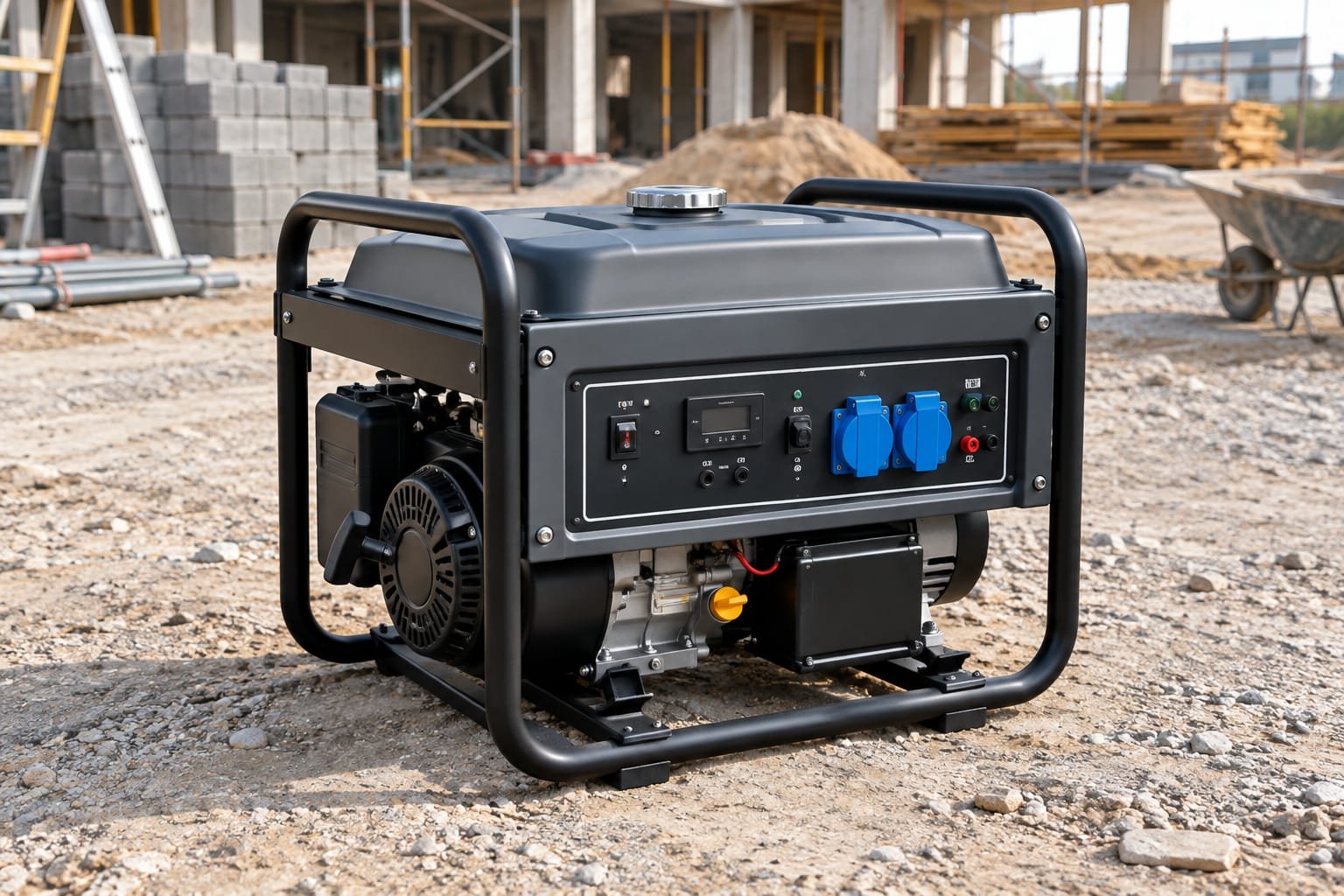
    For professional tradespeople working on UK construction sites or in newly built workshops, access to reliable power is everything. When mains electricity isn’t available, a portable site generator becomes the beating heart of your workday. Choosing the right compact generator ensures your heavy-duty power tools run efficiently without stalling or risking electrical damage.

    Key Factors to Evaluate in a Site Generator

    Before investing in a portable power source, you need to check these critical professional specifications:

    • Continuous vs. Maximum Wattage: Always look at the continuous (running) watts rather than the starting (surge) watts. Heavy-duty tools like circular saws, SDS rotary hammers, and wall chasers require steady, uninterrupted power.
    • Inverter Technology for Sensitive Electronics: Standard generators can produce unstable power drops. For modern tradespeople carrying cordless tool battery chargers, laptops, or digital testing equipment, an inverter generator is essential. It provides clean, pure sine wave electricity that won’t fry delicate circuit boards.
    • Fuel Efficiency and Runtime: A professional workshop generator should offer a long runtime on a single tank—ideally 6 to 10 hours at half load. This ensures you can get through a full site shift without constant refuelling interruptions.
    • Rugged Open Frame Build: While suitcase generators are quiet, tradespeople usually prefer an open frame design. Frame-mounted units feature tough steel tubing that protects the engine from site impacts and makes the machine easy to lift and tie down in a transit van.

    Essential Professional Features to Look For

    To withstand tough site conditions, prioritize units equipped with Automatic Voltage Regulation (AVR) to keep the current steady. Additionally, look for models featuring a low-oil shutdown sensor to automatically turn off the engine before damage occurs, along with a rugged wheel kit for easy maneuvering across rough ground.

    Conclusion

    A small, high-quality workshop generator is a long-term investment in your productivity and trade independence. By selecting a rugged, fuel-efficient unit with clean power output, you ensure your tools stay powered up and your job sites keep moving forward seamlessly.

  • The Ultimate Buyer’s Guide to Wall Chasers: How to Choose the Right Tool

    The Ultimate Buyer’s Guide to Wall Chasers: How to Choose the Right Tool

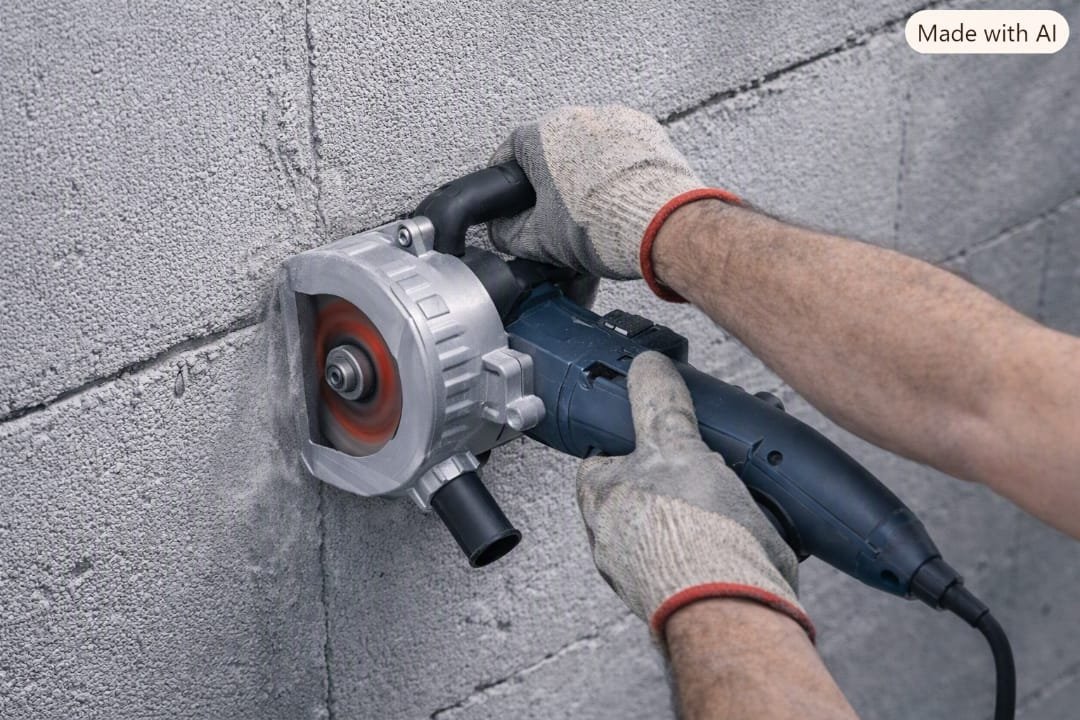
    If you are a professional electrician or plumber working in the UK, you know that time, precision, and efficiency are everything on the job site. Traditional methods like using a hammer and chisel are long gone, requiring massive physical effort and leaving messy results. This is where a wall chaser becomes an indispensable power tool for your daily toolkit.

    A wall chaser is specifically engineered to cut clean, parallel channels into brick, breeze blocks, and concrete, allowing you to lay conduit, cables, and pipework seamlessly. Choosing the right tool ensures you get the job done faster while maintaining structural safety and a professional finish.

    Key Technical Specifications to Look For

    Before adding a wall chaser to your arsenal, these are the core metrics you need to evaluate:

    • Motor Power (Wattage): For heavy-duty professional use on tough masonry and bricks, look for a motor rated between 1,400W and 2,000W. High wattage ensures the machine cuts smoothly through hard concrete without overloading or stalling.
    • Dual Blade System: Professional wall chasers utilize two parallel diamond blades (typically 125mm or larger). This allows you to cut two parallel slots simultaneously, cutting your preparation time right in half.
    • Adjustable Cutting Depth and Width: A versatile chaser should allow quick adjustments using spacers or dials. Ensure the tool covers the standard dimensions needed for your conduit, cables, and pipework (typically up to 35mm depth and 30mm width).
    • Ergonomics and Build Quality: Opt for a machine featuring an ergonomic handle design (like a D-handle). This gives you superior control, stability, and significantly reduces vibration during both horizontal and vertical channeling.

    Essential Features for Safety and Performance

    Operating a wall chaser generates massive amounts of debris and friction. To protect your health and your tool, make sure your chosen model includes these features:

    • Dust Extraction Port: Cutting masonry produces hazardous crystalline silica dust. A professional wall chaser must have a dedicated dust port that connects securely to an M-class or H-class dust extractor for a clean, safe working environment.
    • Electronic Soft Start: This feature prevents the tool from kicking back or jolting when you pull the trigger, ensuring smooth, predictable entry into the wall.
    • Overload Protection: Advanced models feature electronic sensors that automatically shut off or slow down the motor if it gets too hot, preventing expensive motor burnouts.

    Conclusion

    Investing in a high-quality wall chaser is a game-changer for any serious UK tradesperson. By choosing a tool with sufficient wattage, adjustable dual diamond blades, and robust dust extraction capabilities, you turn a tedious, dusty chore into a quick and clean professional operation.

    Evaluate your daily job site requirements, look for reputable certified brands, and upgrade your kit today to boost your productivity and safeguard your workplace health.

  • The Ultimate Buyer’s Guide to Professional PPE and Work Safety

    The Ultimate Buyer’s Guide to Professional PPE and Work Safety

    When you work with your hands, your skills are your livelihood—but your safety is your greatest asset. Whether you are navigating a busy construction site, handling complex electrical wiring, or managing a plumbing layout, the environment you work in presents unpredictable hazards. This is where Personal Protective Equipment (PPE) becomes your first and most critical line of defense.

    Choosing the right work safety gear is not just about complying with site regulations; it is about investing in your health, comfort, and long-term career. Cheap, poorly made gear can fail when you need it most, leading to preventable injuries or constant discomfort during long working hours.

    In this comprehensive buyer’s guide, we will break down the essential professional safety equipment every tradesperson should own, what features to look for before buying, and how to choose premium gear that offers maximum protection without compromising on comfort.

    Why Investing in Premium PPE Matters

    In the trades, it can be tempting to cut corners and pick up the cheapest safety glasses or boots available on the shelf. However, experienced professionals know that low-cost gear often comes with a high hidden price.

    Investing in high-quality, professional-grade PPE matters for three critical reasons:

    • Uncompromised Durability: Premium safety gear is engineered from advanced, high-performance materials designed to withstand heavy daily abuse, sharp impacts, and extreme workplace conditions. A top-tier pair of boots or a heavy-duty helmet will easily outlast multiple cheap alternatives.
    • Enhanced Comfort and Productivity: When your gear fits perfectly, doesn’t chaff, and breathes well, you can focus entirely on the quality of your craft. Proper ergonomic designs reduce physical fatigue during demanding 12-hour shifts.

    Top Essential Safety Gear for Every Tradesperson

    Now that we understand the value of quality safety equipment, let us look at the six cornerstone items every professional should invest in. These tools don’t just protect you; they help you perform your job with absolute confidence.

    1. Head Protection: Safety Helmets & Hard Hats

    Your head is your most vulnerable asset on any worksite. Whether it is a falling tool, a low ceiling, or an accidental impact, a premium safety helmet can literally save your life.

    • What to look for: Look for helmets with a high-density polycarbonate shell for maximum impact resistance. A secure 6-point suspension system inside the hat is essential because it absorbs the shock of an impact before it reaches your skull.

    2. Eye Protection: Anti-Fog Safety Glasses

    From flying wood chips and metal sparks to chemical splashes and fine dust, your eyes are constantly under threat. Standard glasses won’t cut it—you need dedicated professional safety glasses.

    • What to look for: Ensure the lenses are made of scratch-resistant, impact-resistant polycarbonate. A high-quality anti-fog coating is absolutely mandatory so your vision remains crystal clear when you transition between cold outside air and warm indoor environments.

    3. Hand Protection: Professional Work Gloves

    Your hands are your primary tools, making them highly susceptible to cuts, abrasions, burns, and impact injuries. A reliable pair of work gloves is non-negotiable for safe daily operations.

    • What to look for: Choose gloves with high cut-resistance ratings (such as ANSI or EN388 standards) and reinforced palms for a secure grip. For electrical work, insulated rubber gloves are required, while heavy-duty leather or synthetic knit gloves are perfect for general construction and handling rough materials.

    4. Hearing Protection: Ear Muffs & Earplugs

    Loud machinery, drills, and constant site noise can cause permanent, irreversible hearing damage over time. Investing in quality hearing protection keeps your hearing safe and cuts down on mental fatigue caused by loud environments.

    • What to look for: Look for the Noise Reduction Rating (NRR) or Single Number Rating (SNR). For high-noise environments, premium passive ear muffs or electronic noise-cancelling muffs offer the best coverage, while soft, ergonomic silicone earplugs are perfect for lightweight, hidden protection.

    5. Footwear: Steel Toe Cap Work Boots

    A good pair of work boots is the foundation of your entire workday. They protect your toes from dropped heavy objects, prevent sharp nails from piercing your soles, and protect your spine by reducing fatigue.

    • What to look for: Always choose boots with certified steel toe caps (or composite material for electricians) and puncture-resistant midsoles. The outer sole must be slip-resistant and oil-resistant to keep you stable on wet or uneven surfaces.

    6. Body Protection: Durable Workwear & Overalls

    Your everyday clothes are not built for the rigors of a tradesperson’s life. Dedicated workwear, overalls, or heavy-duty trousers protect your skin from abrasions, cuts, heat, and minor chemical splashes while providing practical utility.

    • What to look for: Choose garments made from heavy-duty, ripstop fabrics (like reinforced cotton or Cordura blends). Triple-stitched seams are crucial to prevent tearing when kneeling or stretching. Look for built-in knee pad pockets to protect your joints during floor work.

    Key Factors to Consider Before Buying PPE

    Choosing your safety gear involves more than just picking a reputable brand or a stylish design. To get the best value for your money and ensure top-tier protection on site, look closely at these three critical factors:

    • Official Safety Certifications: Always check that the gear meets recognized safety standards. Look for official compliance markings—such as the UKCA or CE marks—which verify that the equipment has undergone strict testing for hazard protection.
    • Ergonomics and Fit: Safety gear only works if you actually wear it. Avoid heavy or poorly shaped equipment. Prioritize features like adjustable straps, breathable materials, and padded support. Making sure your gear is true to size prevents workplace distractions and skin irritation.

    Conclusion

    At the end of the day, your tools are replaceable, but your health is not. Investing in professional-grade, certified Personal Protective Equipment (PPE) is the smartest business decision any tradesperson can make. By selecting high-quality helmets, anti-fog glasses, certified work gloves, specialized hearing protection, steel toe boots, and durable workwear, you protect your body from unpredictable site hazards while keeping your focus entirely on your craft.

    Do not wait for an accident to happen before you upgrade your safety gear. Take the time to evaluate your current setup, look for the proper certifications, and equip yourself with the premium protection you deserve to return home safely after every shift.
  • How to Choose the Best Cordless Drill for Concrete and Walls

    How to Choose the Best Cordless Drill for Concrete and Walls

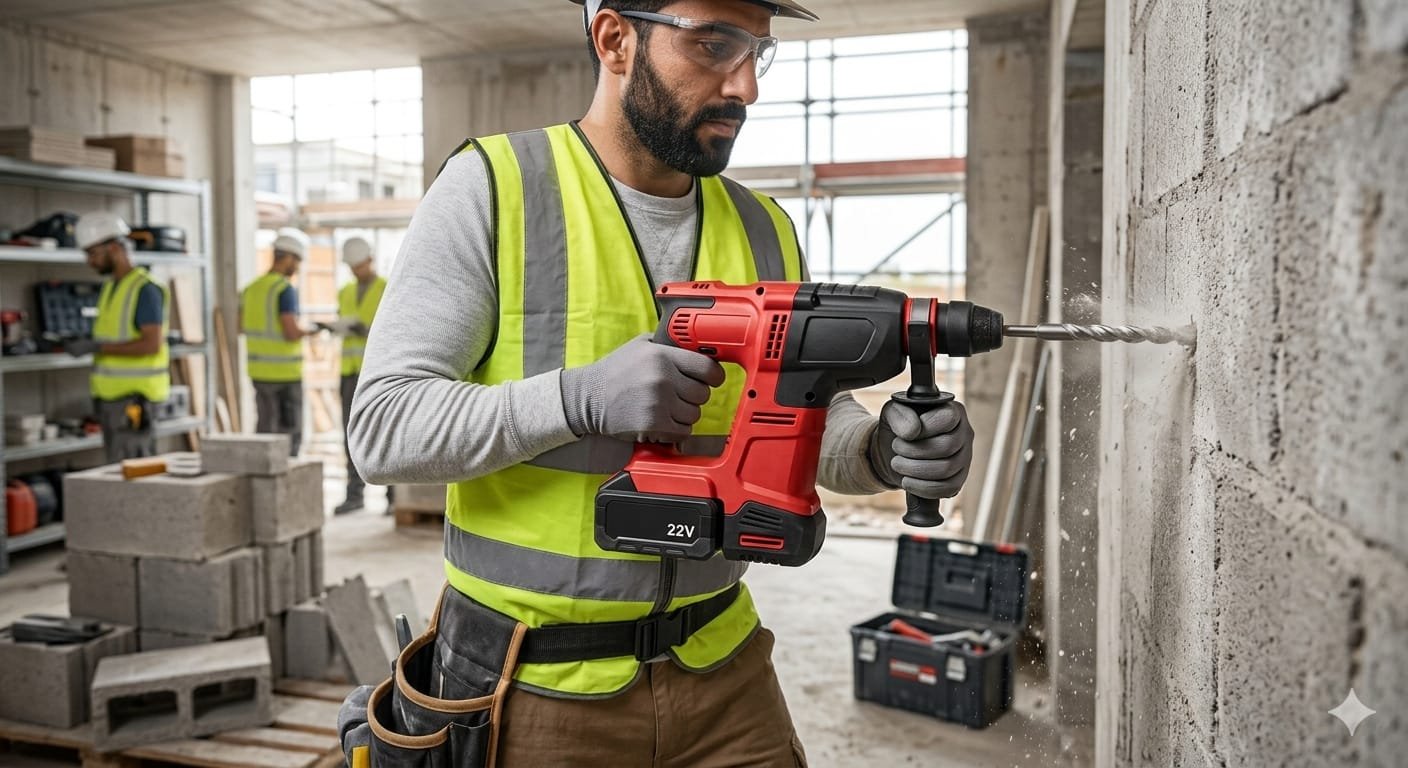
    When it comes to drilling into tough surfaces like concrete, brick, or masonry, a standard drill driver just won’t cut it. To get the job done efficiently without burning out your tools, you need a cordless drill specifically engineered for heavy-duty masonry work.

    Modern cordless technology has evolved significantly. Today’s high-voltage battery platforms deliver the same hitting power as old corded industrial tools, giving tradespeople and DIYers total freedom on the job site. Here is what you need to look for when choosing the best cordless drill for walls and concrete.

    1. Rotary Hammer vs. Hammer Drill: Know the Difference

    The most common mistake is buying a standard hammer drill for heavy concrete.

    • Hammer Drills: Use two spinning ribbed discs to create a vibrating action. They are fine for occasional drilling into soft brick or light mortar, but they struggle with poured concrete.
    • Rotary Hammers (SDS Plus): Use a pneumatic piston mechanism to strike the back of the drill bit directly. This creates a massive impact force, allowing the tool to pulverize hard concrete with ease. For professional or frequent wall drilling, an SDS Plus rotary hammer is the industry standard.

    2. Battery Platform and Voltage (The Power Source)

    For drilling concrete, voltage equals torque and hitting energy. You should look for cordless tools built on high-performance brushless motors and advanced battery ecosystems.

    Heavy-duty jobs require a platform that prevents overheating under load. High-capacity systems, such as modern 22V or 36V platforms, run cooler and deliver sustained power, allowing you to drill dozens of holes on a single charge without losing speed.

    3. Impact Energy (Measured in Joules)

    When looking at the specifications of a rotary hammer, pay close attention to the Impact Energy rating, which is measured in Joules (J).

    • For light residential tasks and anchoring, 1.5 to 2.5 Joules is perfect.
    • For heavy demolition, chiseling, or large-diameter holes, look for a heavy-duty tool that delivers over 3 Joules of impact energy.

    4. Dust Removal and Health Safety

    Drilling into concrete generates a huge amount of hazardous silica dust. Breathing this in is dangerous for your lungs, and the dust can also get inside the tool and destroy the motor.

    Always look for a cordless system that supports an integrated dust removal module (DRS). These attachments click directly onto the tool and draw power from the main battery, vacuuming up the dust right at the hole before it becomes airborne.

    5. Vibration Reduction (AVR)

    Drilling into stone or concrete subjects your hands and arms to intense vibrations. Over long hours, this causes fatigue and can lead to joint injuries. Premium tools feature Active Vibration Reduction (AVR) systems, which isolate the handles from the motor chassis, allowing you to work longer and more comfortably.

    Summary Recommendation

    If you only need to hang a few pictures on drywall or soft brick, a standard compact cordless drill with a hammer setting will work fine.

    However, if you are a tradesperson or a DIYer regularly working with solid concrete, stone, or structural walls, invest in a dedicated brushless cordless rotary hammer. Look for a tool backed by a reliable high-voltage battery ecosystem, active dust collection, and safety clutches to protect your wrists if the bit binds. Having the right tool will save your energy, your time, and your wrists on every job.

  • 5 Essential Hand Tools Every DIY Electrician Should Own

    5 Essential Hand Tools Every DIY Electrician Should Own

    If you’re getting into home electrical work – whether it’s swapping outlets, installing a light fixture, or running new wiring – having the right hand tools makes the difference between a clean, safe job and a frustrating (or dangerous) one.

    With over 28 years of hands-on electrical experience, I’ve built a toolbox that covers almost any job around the house. Here are the 5 hand tools I reach for the most, and why every DIY electrician should have them.

    1. Insulated Screwdriver Set

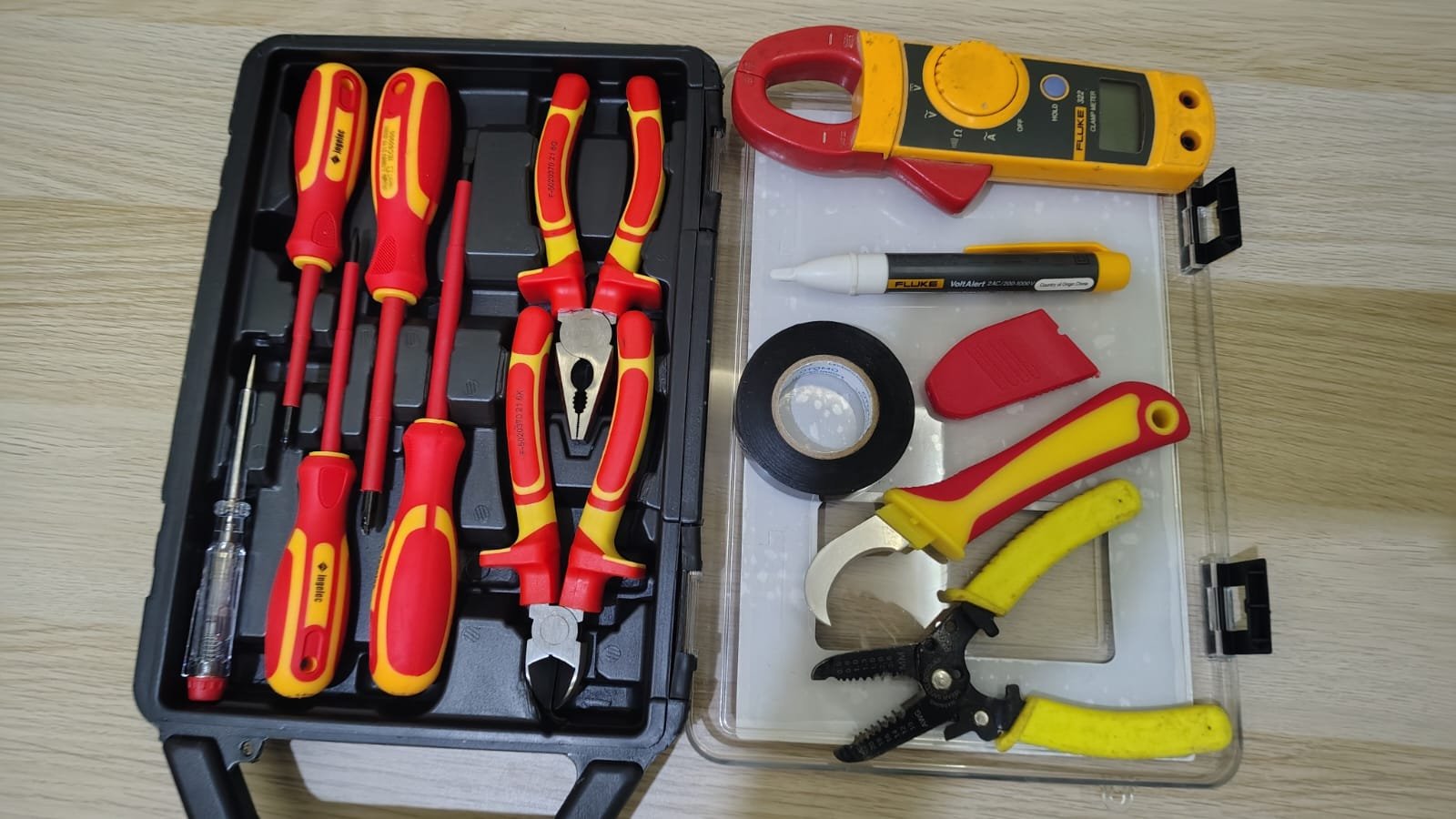
    A good set of insulated screwdrivers is non-negotiable. Insulated handles protect you from accidental shocks while working near live circuits. Look for a set with both flathead and Phillips heads in a few sizes, rated for at least 1000V.

    Tip: Never use a regular, non-insulated screwdriver for electrical work, even “just to loosen one screw.” It’s not worth the risk.

    2. Wire Strippers / Cutters

    A quality wire stripper saves time and prevents damaged wires. It strips the insulation cleanly without nicking the copper underneath, which can weaken the connection or cause a fire hazard down the line.

    Look for a stripper with multiple gauge notches (14, 12, 10 AWG are the most common for household wiring) and a built-in cutter so you don’t need a separate tool.

    3. Needle-Nose Pliers

    Needle-nose pliers are perfect for bending wire into a hook shape before wrapping it around a screw terminal, and for reaching into tight electrical boxes where your fingers won’t fit. A pair with an integrated wire cutter is even more versatile.

    4. Non-Contact Voltage Tester

    Before touching any wire, socket, or circuit, you need to know if it’s live. A non-contact voltage tester lets you check instantly without touching bare wires, making it one of the safest and most important tools in your kit.

    (We covered this tool in detail in our full guide: Best Voltage Testers for Home Electrical Work.)

    5. Fish Tape / Wire Puller

    When you need to run new wire through walls, conduit, or ceilings, a fish tape is what gets it there. It’s a long, flexible steel or fiberglass wire with a hook on the end, used to pull cable through tight or hidden spaces without tearing open the whole wall.

    Our Recommendation

    If you’re just starting out, don’t buy the most expensive version of everything at once. Start with a basic insulated screwdriver set, a decent wire stripper, and a non-contact voltage tester – that covers the vast majority of simple household jobs safely.

    As you take on bigger projects, add needle-nose pliers and a fish tape to your kit. In nearly three decades of electrical work, these 5 tools have never left my bag – they’re the foundation everything else builds on.

  • Best Voltage Testers for Home Electrical Work in 2026

    Best Voltage Testers for Home Electrical Work in 2026

    If you work with electricity – whether professionally or around the house – a reliable voltage tester is one of the most important tools you can own. It tells you instantly whether a wire, socket, or circuit is live before you touch it, which can literally save your life.

    With over 28 years of hands-on electrical experience, I’ve used dozens of voltage testers on the job. Here’s what actually matters when choosing one, and which types work best for different situations.

    What to Look For in a Voltage Tester

    1. Non-Contact vs. Contact Testers

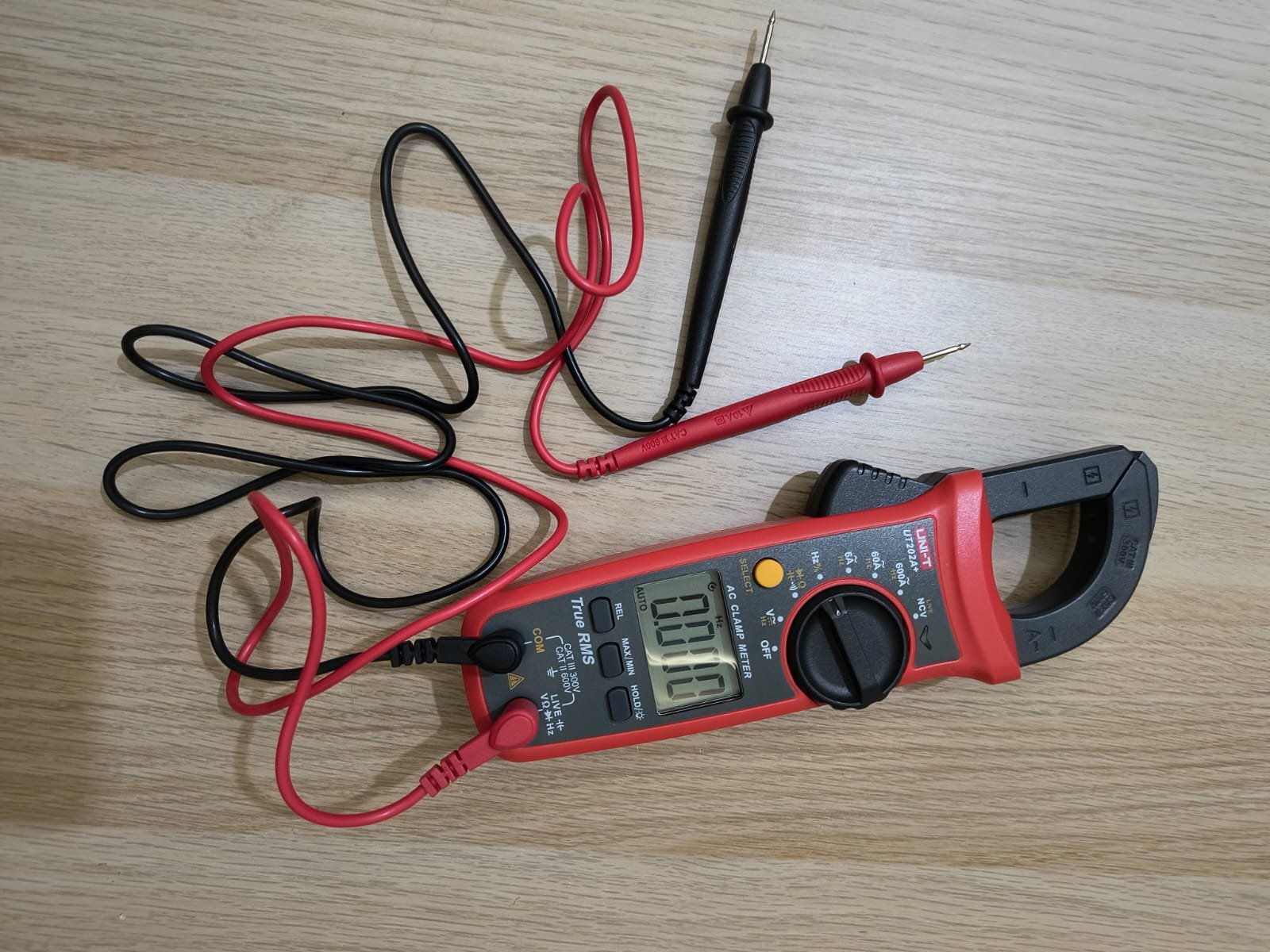
    Non-contact testers detect voltage without touching bare wires, making them faster and safer for quick checks. Contact testers (multimeters) give more precise readings but require direct contact with the circuit.

    2. Voltage Range

    Make sure the tester covers both low-voltage (household, 110-250V) and higher ranges if you work on larger systems.

    3. Build Quality and Safety Ratings

    Look for CAT III or CAT IV safety ratings, which indicate the tester can handle higher energy surges safely.

    4. Auto-Shutoff and Battery Indicator

    These are useful features that prevent dead batteries from giving you a false “no voltage” reading – a dangerous mistake.

    Our Recommendation

    For most homeowners and DIY electricians, a non-contact voltage tester is the safest and easiest starting point. It should always be paired with a basic multimeter for more detailed diagnostics when needed.

    Always test your tester on a known live source before and after checking a circuit, to make sure it’s actually working – this simple habit has saved me from mistakes more than once in nearly three decades of electrical work.