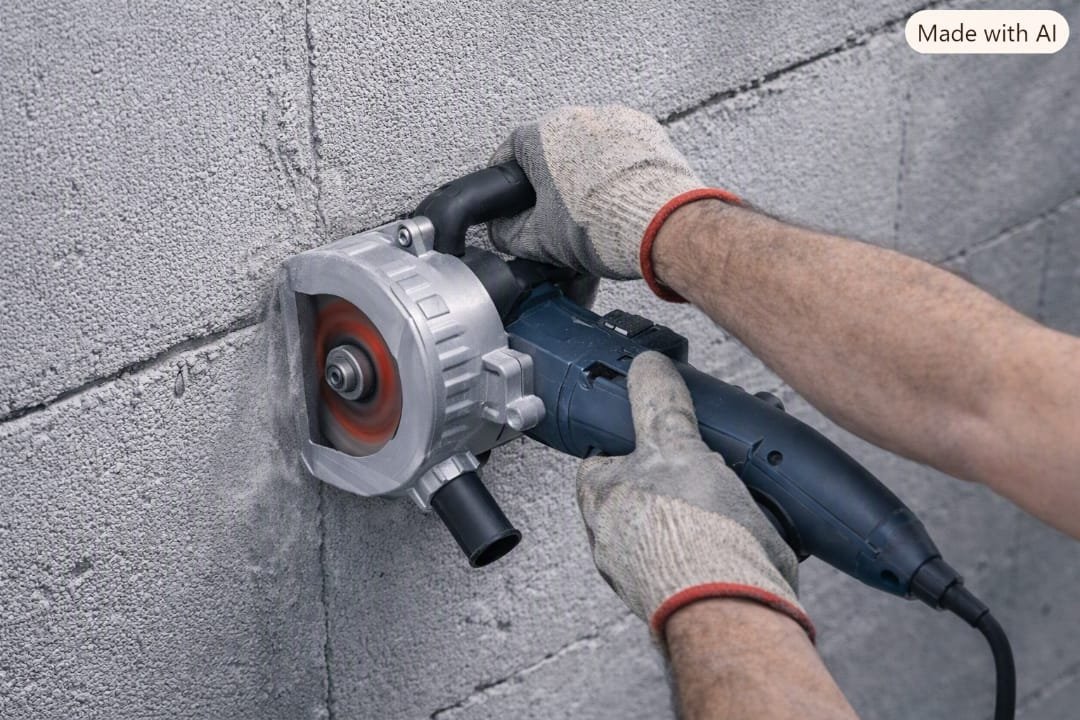
If you are a professional electrician or plumber working in the UK, you know that time, precision, and efficiency are everything on the job site. Traditional methods like using a hammer and chisel are long gone, requiring massive physical effort and leaving messy results. This is where a wall chaser becomes an indispensable power tool for your daily toolkit.
A wall chaser is specifically engineered to cut clean, parallel channels into brick, breeze blocks, and concrete, allowing you to lay conduit, cables, and pipework seamlessly. Choosing the right tool ensures you get the job done faster while maintaining structural safety and a professional finish.
Key Technical Specifications to Look For
Before adding a wall chaser to your arsenal, these are the core metrics you need to evaluate:
- Motor Power (Wattage): For heavy-duty professional use on tough masonry and bricks, look for a motor rated between 1,400W and 2,000W. High wattage ensures the machine cuts smoothly through hard concrete without overloading or stalling.
- Dual Blade System: Professional wall chasers utilize two parallel diamond blades (typically 125mm or larger). This allows you to cut two parallel slots simultaneously, cutting your preparation time right in half.
- Adjustable Cutting Depth and Width: A versatile chaser should allow quick adjustments using spacers or dials. Ensure the tool covers the standard dimensions needed for your conduit, cables, and pipework (typically up to 35mm depth and 30mm width).
- Ergonomics and Build Quality: Opt for a machine featuring an ergonomic handle design (like a D-handle). This gives you superior control, stability, and significantly reduces vibration during both horizontal and vertical channeling.
Essential Features for Safety and Performance
Operating a wall chaser generates massive amounts of debris and friction. To protect your health and your tool, make sure your chosen model includes these features:
- Dust Extraction Port: Cutting masonry produces hazardous crystalline silica dust. A professional wall chaser must have a dedicated dust port that connects securely to an M-class or H-class dust extractor for a clean, safe working environment.
- Electronic Soft Start: This feature prevents the tool from kicking back or jolting when you pull the trigger, ensuring smooth, predictable entry into the wall.
- Overload Protection: Advanced models feature electronic sensors that automatically shut off or slow down the motor if it gets too hot, preventing expensive motor burnouts.
Conclusion
Investing in a high-quality wall chaser is a game-changer for any serious UK tradesperson. By choosing a tool with sufficient wattage, adjustable dual diamond blades, and robust dust extraction capabilities, you turn a tedious, dusty chore into a quick and clean professional operation.
Evaluate your daily job site requirements, look for reputable certified brands, and upgrade your kit today to boost your productivity and safeguard your workplace health.
Leave a Reply