A diamond core drill is an important tool in modern construction, renovation, and building services. It allows tradespeople to create clean, accurate circular holes in hard materials such as concrete, brick, and masonry. These openings are often needed for pipes, electrical cables, ventilation systems, and other building installations.
As construction projects become more demanding, accurate drilling is increasingly important. Instead of breaking large sections of a wall or floor, professionals can use core drilling to create an opening of the required size with less unnecessary damage to the surrounding material.
This guide explains what a diamond core drill does, why different tradespeople use it, and what to consider when choosing equipment for construction work.
What Is a Diamond Core Drill?
A diamond core drill is a power tool designed to cut circular holes in hard building materials. It uses a hollow core bit with diamond segments that grind through the material as the bit rotates.
Unlike a conventional drill bit, a core bit removes a cylindrical section of material, leaving a round opening. The size of the hole depends on the diameter of the core bit and the requirements of the installation.
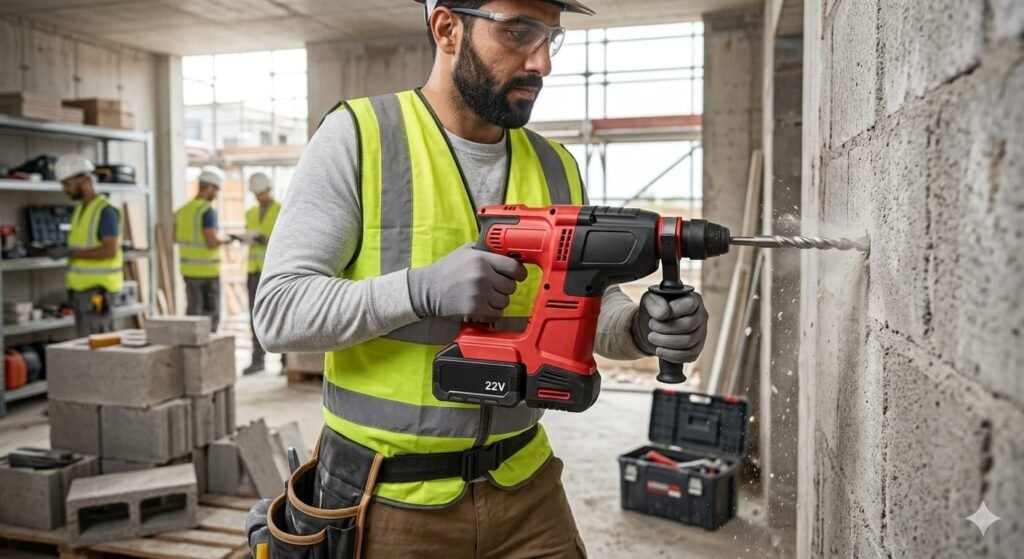
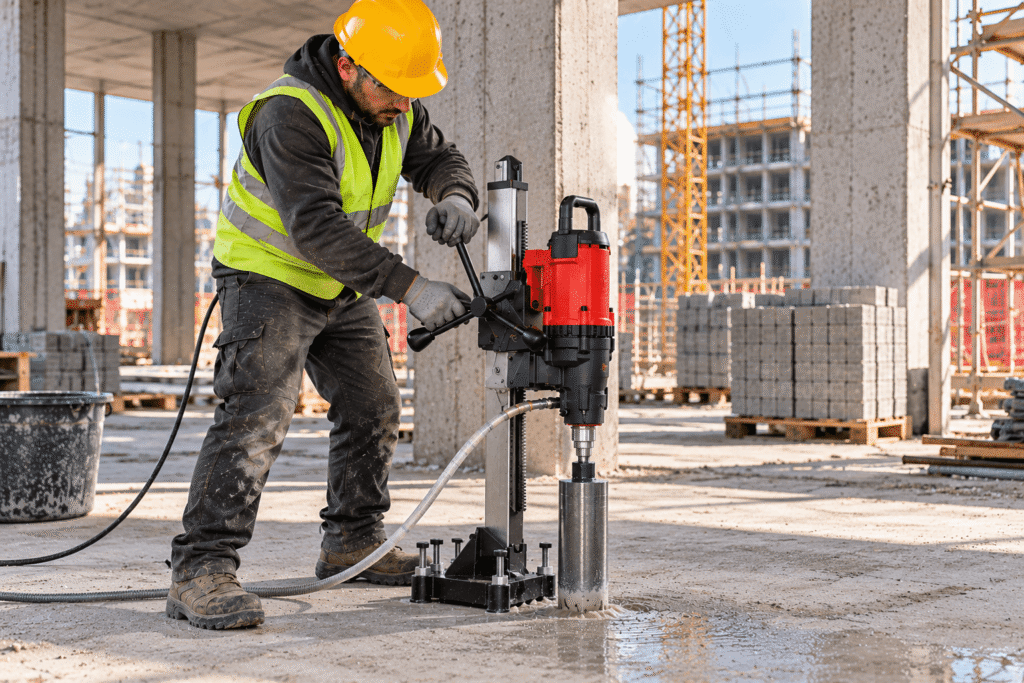
Diamond core drilling equipment is available in different configurations. Some machines are designed for handheld operation, while others can be mounted on a stand to provide greater stability and control. The appropriate setup depends on the material, hole diameter, drilling position, and job requirements.
Why Diamond Core Drills Are Important on Construction Sites
Construction projects often require openings to be made after the main structure has been built. Plumbing, electrical, heating, cooling, and ventilation systems may all need routes through concrete walls, floors, or masonry.
A diamond core drill helps tradespeople create these openings accurately without removing more material than necessary.
- Accurate circular holes: Core drilling produces openings suitable for pipes, cables, ducts, and other installations.
- Less unnecessary damage: It can reduce the need to break surrounding concrete or masonry compared with some alternative methods.
- A professional finish: Properly selected equipment and bits can produce clean, consistent openings.
- Versatility: Suitable equipment can be used on different building materials and for a range of installation tasks.
- Support for renovation work: It is useful when adding new services to existing buildings.
The results depend on the material, the equipment, the operator’s technique, and the use of the correct core bit.
Which Tradespeople Use Diamond Core Drills?
Diamond core drilling is useful across several construction trades. Not every worker needs to own a machine, but many professionals benefit from having access to suitable core drilling equipment.
1. Electricians
Electricians may need circular openings for cable routes, electrical conduits, and service penetrations through walls or floors. Core drilling can help create the required opening when the material and installation allow it.
Before drilling, electricians must identify existing cables and other hidden services to avoid dangerous damage.
2. Plumbers
Plumbers frequently install water pipes, drainage pipes, and other services that pass through walls or floors. A suitable core drill can help create an opening that matches the required pipe or sleeve size.
The drilling method must be selected according to the material and the location of the pipe route.
3. HVAC Technicians
Heating, ventilation, and air-conditioning installations may require openings for ducts, refrigerant pipework, and other services. Core drilling can help create these penetrations through suitable building materials.
The hole diameter and position should be checked against the installation specifications before work begins.
4. General Builders and Renovation Contractors
Builders and renovation contractors may use core drilling when modifying existing structures or preparing openings for new installations. It can be useful in refurbishment projects where keeping surrounding finishes intact is important.
5. Specialist Drilling Contractors
Professional drilling contractors carry out core drilling for projects that require specialised equipment, precise positioning, larger openings, or work in reinforced concrete. Depending on the job, they may use mounted equipment and specialised drilling methods.
What Materials Can a Diamond Core Drill Handle?
Diamond core drills are commonly used on suitable concrete, reinforced concrete, brick, and masonry. However, the machine and core bit must be compatible with the material being drilled.
Reinforced concrete can be particularly demanding because the bit may encounter steel reinforcement. Not every machine or bit is designed for every level of reinforcement, so check the manufacturer’s specifications before starting.
Core drilling should never be attempted without first checking for hidden electrical cables, pipes, post-tensioning cables, and other embedded services. Structural concrete may also require approval from a qualified professional before drilling.
Handheld or Stand-Mounted Equipment?
Diamond core drilling equipment comes in different designs, and the best choice depends on the work rather than on a single preferred machine.
Handheld equipment can be practical for suitable smaller openings and jobs where mobility is important. It requires appropriate control, and the manufacturer’s limits must be followed.
Stand-mounted equipment can provide greater stability and help maintain the drilling angle, especially for larger or more demanding openings. It is often useful when accuracy and repeatability are important.
Before choosing a setup, consider the hole diameter, drilling direction, material, available workspace, and the level of control required.
Important Features to Consider Before Buying
If you are choosing diamond core drilling equipment for professional use, compare these features carefully.
Motor Power and Drilling Capacity
Check the machine’s rated power and the manufacturer’s stated drilling capacity. A machine should be suitable for the hole diameters and materials you expect to encounter.
Higher motor power does not automatically make a machine the best choice for every job.
Core Bit Compatibility
Confirm which core bits the machine accepts, including the connection type and supported diameters. Compatible bits are essential for safe and effective operation.
Speed and Control
Different materials and bit sizes may require different operating speeds. Follow the manufacturer’s recommendations rather than assuming that the highest speed is always best.
Water Supply and Dust Control
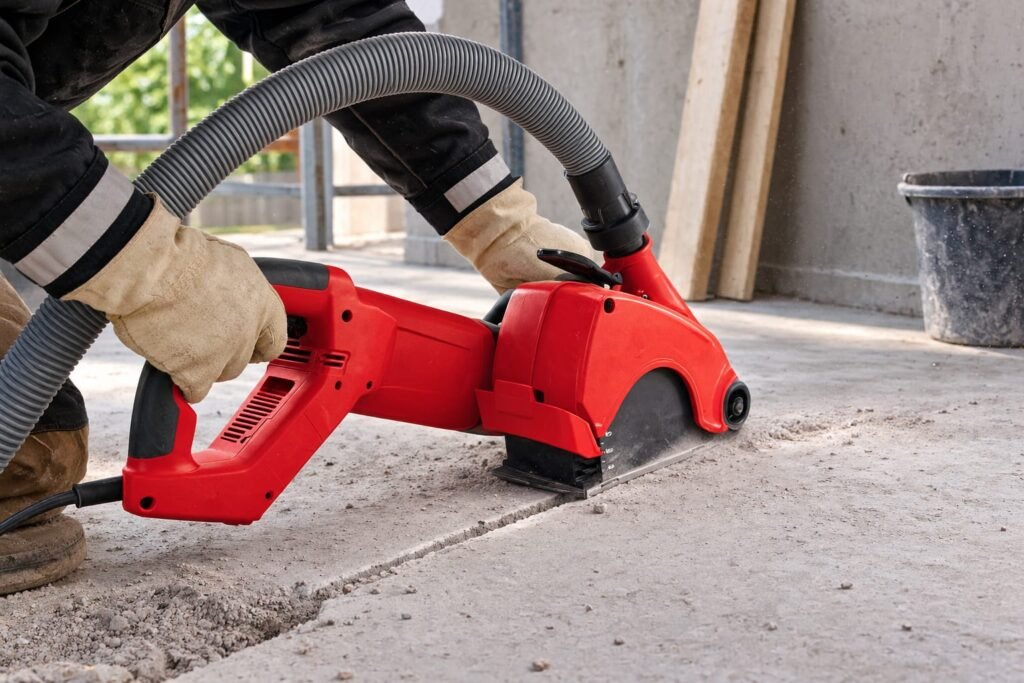
Some core drilling systems use water to cool the bit and control dust. Dry drilling may be possible with suitable equipment and approved dust extraction, depending on the application.
Water and electricity must be managed carefully. Use equipment specifically designed for the chosen drilling method and follow all safety instructions.
Stability and Handling
Consider whether the job requires handheld operation or a mounted system. A suitable stand, secure fixing, and appropriate controls can improve stability when the application calls for them.
Durability, Maintenance, and Support
Professional tools need to withstand regular use. Check the availability of compatible core bits, replacement parts, servicing, warranty support, and clear operating instructions.
Safety Tips for Diamond Core Drilling
Core drilling can expose workers to rotating machinery, silica-containing dust, water, electrical hazards, and heavy equipment. Safe preparation is essential.
- Wear suitable eye, hearing, and respiratory protection as required by the risk assessment.
- Check the drilling area for hidden cables, pipes, reinforcement, and post-tensioning systems.
- Secure the machine or drilling stand according to the manufacturer’s instructions.
- Use appropriate dust extraction or a suitable wet-drilling system.
- Follow the manufacturer’s requirements for electrical protection when water is used.
- Keep hands, clothing, and loose objects away from rotating parts.
- Secure the core and manage the area below the drilling point so that falling material cannot injure anyone.
- Stop work if unexpected resistance, movement, or other unsafe conditions occur.
For structural concrete, consult the relevant responsible professional before drilling if the work could affect structural reinforcement or the integrity of the building.
Diamond Core Drill vs. Conventional Drill
A conventional drill is generally used for smaller holes with standard drill bits. A diamond core drill is designed for circular openings in harder construction materials and can accommodate larger diameters when the machine and bit are rated for the task.
These tools serve different purposes. A conventional drill is often more practical for everyday fixings, while core drilling is useful when a larger, accurately sized opening is required.
Is a Diamond Core Drill Worth Buying?
For tradespeople who regularly install pipes, cables, ventilation systems, or other services through concrete and masonry, access to a diamond core drill can save time and improve the consistency of the work.
However, buying professional equipment is not always necessary for occasional jobs. Renting a suitable machine or hiring a specialist contractor may be more economical when the work is infrequent or requires equipment that would otherwise sit unused.
The best decision depends on how often the tool will be used, the type of projects involved, and the cost of ownership and maintenance.
Final Thoughts
Diamond core drilling has become an important part of many construction and renovation projects because modern buildings often require accurate openings for electrical, plumbing, ventilation, and other services.
Electricians, plumbers, HVAC technicians, builders, and specialist drilling contractors may all benefit from access to the right equipment. The key is to choose a suitable machine and core bit for the material, hole size, and working conditions.
Before buying, compare drilling capacity, compatibility, stability, dust or water management, safety features, and after-sales support. A well-matched setup can help professionals work accurately while avoiding unnecessary damage to surrounding materials.
Related Guides
Explore these related guides for other tools used in construction and renovation: