Construction workwear is an essential part of everyday life for electricians, builders, plumbers, carpenters, and other construction professionals. The right work clothes can improve comfort, support freedom of movement, and help workers handle the demands of a busy construction site.
However, not all workwear is suitable for every job. The best choice depends on the type of work, the working environment, the weather, and the level of protection required.
In this guide, we explain how to choose practical construction workwear, which features to look for, and how to keep your work clothes in good condition.
What Is Construction Workwear?
Construction workwear includes the clothing worn by workers on building sites, during installation jobs, and in workshops. Common examples include work trousers, work jackets, shirts, coveralls, and high-visibility clothing.
Unlike ordinary clothing, workwear is often designed with durable fabrics, reinforced stitching, practical pockets, and features that allow workers to move comfortably throughout the day.
For electricians, for example, trousers with useful pockets can make it easier to carry small tools and accessories. Builders and carpenters may prefer reinforced knees and durable materials that can withstand frequent contact with rough surfaces.
The right workwear should suit the job rather than simply look professional.
How to Choose the Right Construction Workwear
1. Choose Durable Materials
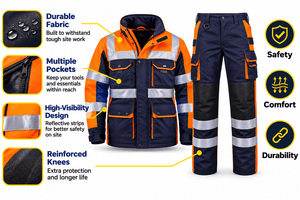
Construction workers often work around concrete, dust, rough surfaces, and equipment that can wear clothing down over time. Durable fabrics and strong stitching can help workwear last longer.
Cotton can be comfortable and breathable, while polyester and blended fabrics may offer durability and quicker drying. The best choice depends on the working conditions and the manufacturer’s specifications.
Look for reinforced seams and materials that can withstand regular use. Also, check the care instructions to make sure the garments can be maintained properly.
2. Prioritize Comfort and Freedom of Movement
Work clothes should allow you to bend, kneel, reach overhead, and climb without restricting movement.
Trousers that are too tight can make physical work uncomfortable, while excessively loose clothing may catch on equipment or create other hazards.
Check the fit around the waist, knees, shoulders, and arms. If possible, try the clothing on and move around before purchasing it.
Comfort is especially important for workers who spend long hours on construction sites.
3. Look for Practical Pockets and Reinforced Areas
Pockets can make everyday tasks easier by providing space for pencils, measuring tapes, small tools, and accessories.
Some work trousers include reinforced knees or pockets designed for knee pads. These features can be useful for electricians installing cables, plumbers working near floors, and tradespeople who regularly kneel.
Choose pocket arrangements that suit your trade. Avoid carrying sharp tools in ways that could cause injury, and make sure pockets do not interfere with safe movement.
4. Select Workwear for the Weather
Weather can significantly affect comfort and productivity on a construction site.
In hot conditions, lightweight and breathable clothing can improve comfort. In cold weather, suitable layers can provide warmth while allowing movement. Waterproof outerwear may be useful for outdoor work in wet conditions.
Choose clothing appropriate for the expected temperature and exposure. Change wet or heavily soiled garments when necessary, especially when they affect comfort or safety.
5. Understand High-Visibility Workwear
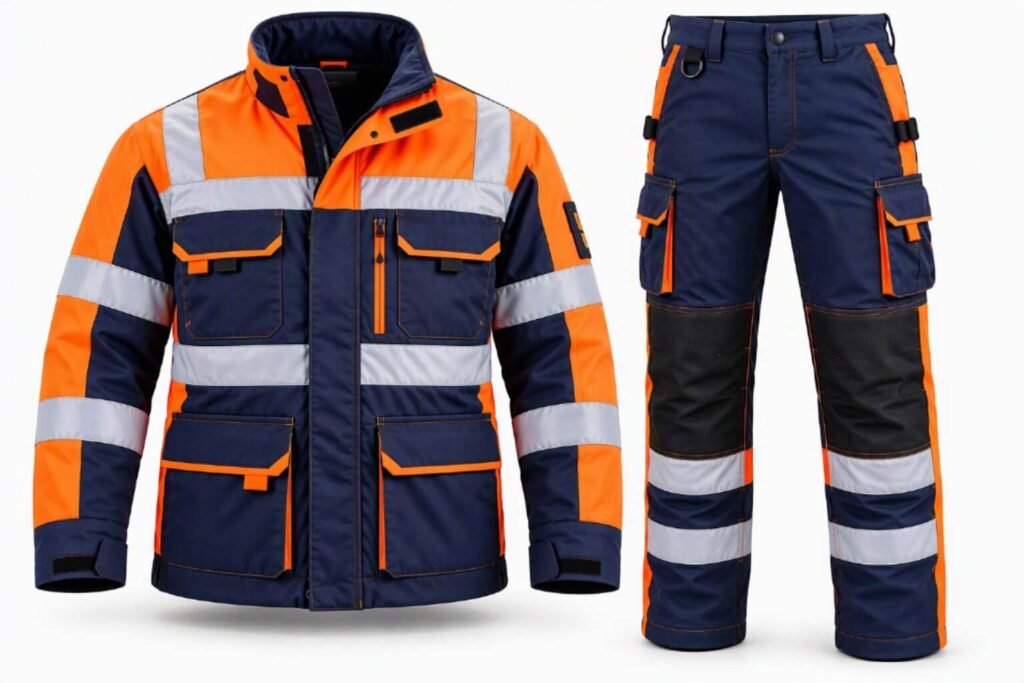
High-visibility clothing helps workers stand out in environments where they need to be seen, such as construction sites near moving vehicles or machinery.
These garments commonly use fluorescent materials and reflective elements. However, clothing with reflective strips is not automatically compliant with every safety standard.
Where high-visibility clothing is required, select garments that meet the applicable workplace requirements and suit the risks of the job.
6. Choose Workwear That Meets Safety Requirements
Construction workwear should provide protection that matches the hazards of the job. Depending on the working environment, workers may need clothing with flame-resistant properties, protection against sparks, or materials suitable for specific site conditions.
Always check the garment’s labels and safety certifications before buying. Do not assume that ordinary work clothes provide protection against electrical hazards, heat, or chemicals.
The right choice depends on the tasks being performed and the safety requirements of the workplace.
7. Consider Easy Care and Maintenance
Construction workwear is exposed to dust, dirt, grease, and frequent washing. Choosing clothes that are easy to clean and maintain can help keep them in good condition for longer.
Follow the manufacturer’s washing instructions, especially for garments with reflective strips or special protective properties. Avoid washing methods or detergents that may damage these features.
Inspect your workwear regularly for torn fabric, damaged seams, worn knee panels, or faded reflective strips. Replace garments when they can no longer provide the protection required for the job.
Construction Workwear for Different Trades
Different construction jobs have different clothing requirements.
- Electricians: Durable trousers with practical pockets can help keep small tools and accessories organized. Clothing must be suitable for electrical hazards; ordinary workwear should never be assumed to provide electrical protection.
- Builders: Hard-wearing trousers, comfortable shirts, and weather-appropriate jackets can support everyday site work.
- Plumbers: Flexible work trousers and durable clothing can be useful when working in confined spaces or around wet areas.
- Carpenters: Reinforced work trousers and garments that allow easy movement can be helpful during cutting, fitting, and installation tasks.
Always consider the specific hazards of the job when selecting clothing.
Workwear and Personal Protective Equipment
Workwear is not the same as all personal protective equipment (PPE). Ordinary work clothes may improve comfort and help protect against dirt or minor abrasion, but they do not necessarily protect against serious workplace hazards.
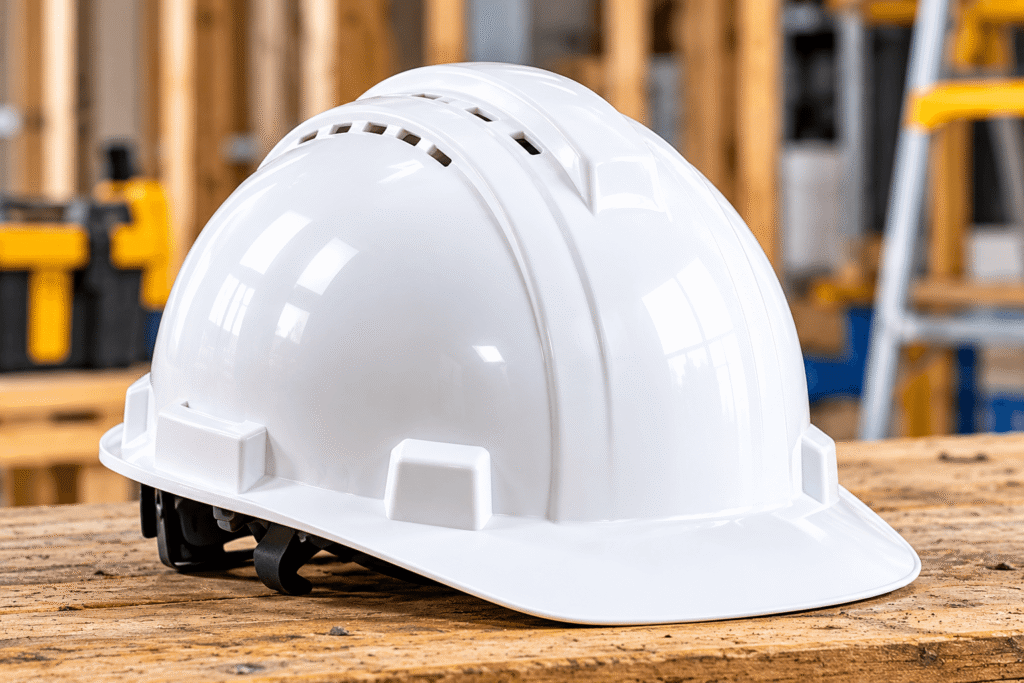
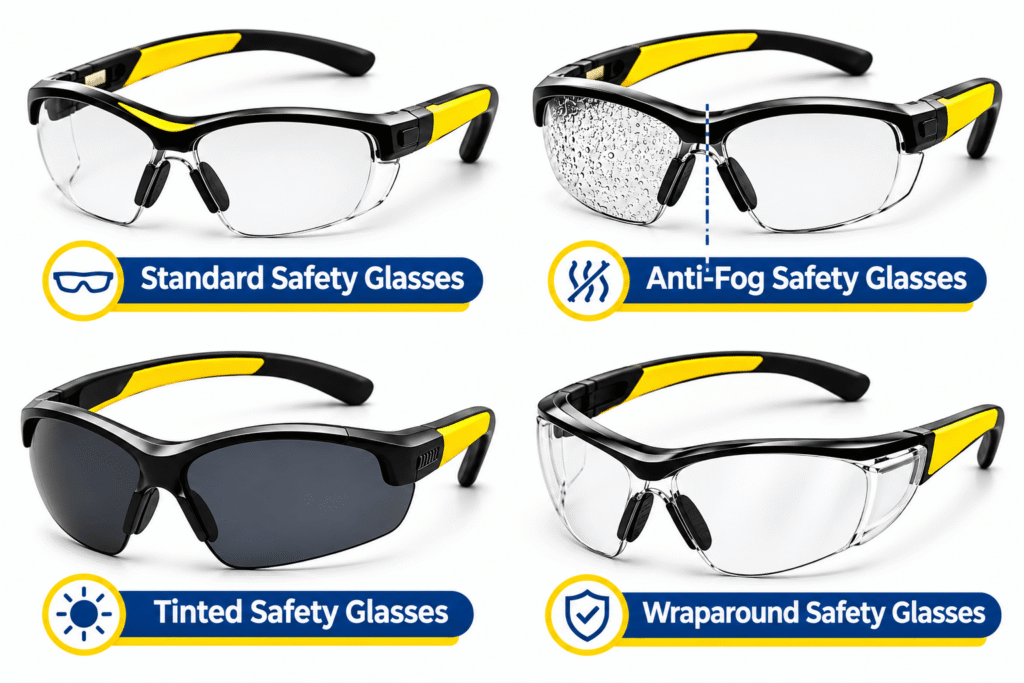
Depending on the task, workers may also need safety boots, a suitable safety helmet, safety glasses, gloves, hearing protection, or specialized protective clothing.
For example, regular work trousers are not a substitute for clothing specifically designed and approved for electrical arc hazards. Similarly, reflective strips alone do not guarantee that a garment meets high-visibility standards.
For official guidance, consult the OSHA Personal Protective Equipment resource.
For more information about choosing suitable footwear, read our guide to Safety Boots for Construction: How to Choose the Right Work Boots.
You can also read our guide to How to Choose the Right Safety Helmet for Construction Work.
How to Maintain Your Work Clothes
Taking care of workwear can help extend its useful life and keep it comfortable.
- Follow the washing and drying instructions on the garment label.
- Remove dust and dirt using an appropriate cleaning method.
- Inspect seams, fasteners, pockets, and reinforced areas for damage.
- Replace torn, badly worn, or contaminated clothing when it no longer performs its intended function.
- Check reflective materials and specialized protective garments for wear, following the manufacturer’s instructions.
If clothing has been exposed to hazardous substances, follow the relevant workplace cleaning and replacement procedures instead of treating it as ordinary laundry.
Final Thoughts
Choosing the right construction workwear means balancing durability, comfort, fit, and the needs of your particular trade. Practical pockets, reinforced areas, suitable fabrics, and weather-appropriate layers can all make a difference during a working day.
Most importantly, remember that ordinary workwear does not replace protective equipment designed for specific hazards. Choose garments that suit your working environment and follow the safety requirements of your workplace.
With the right clothing and proper maintenance, construction workers can stay comfortable, work efficiently, and be better prepared for the demands of the job.