Safety glasses for construction help protect workers’ eyes from flying particles, dust, and other workplace hazards. Whether you are an electrician, carpenter, plumber, or general construction worker, choosing the right eye protection is an important part of working safely.
However, not all safety glasses provide the same protection. Lens material, side protection, fit, anti-fog features, and safety certification all matter when selecting the right pair.
In this guide, we explain how to choose safety glasses for construction, compare common lens types, and identify the features worth checking before you buy.
Why Are Safety Glasses Important?
Construction work can expose your eyes to several hazards. Drilling, cutting, grinding, sanding, and working with building materials can produce particles that may enter the eyes.
Dust, splashes, and intense light can create additional risks, depending on the task.
Properly selected safety glasses can help reduce the risk of eye injuries. However, they must be suitable for the specific hazards involved and worn correctly.
For example, ordinary sunglasses and regular prescription glasses are not substitutes for certified protective eyewear. Safety glasses should also provide suitable side protection when flying objects are a potential hazard.
Types of Safety Glasses for Construction
Before buying safety glasses, consider the work you perform and the type of protection you need.
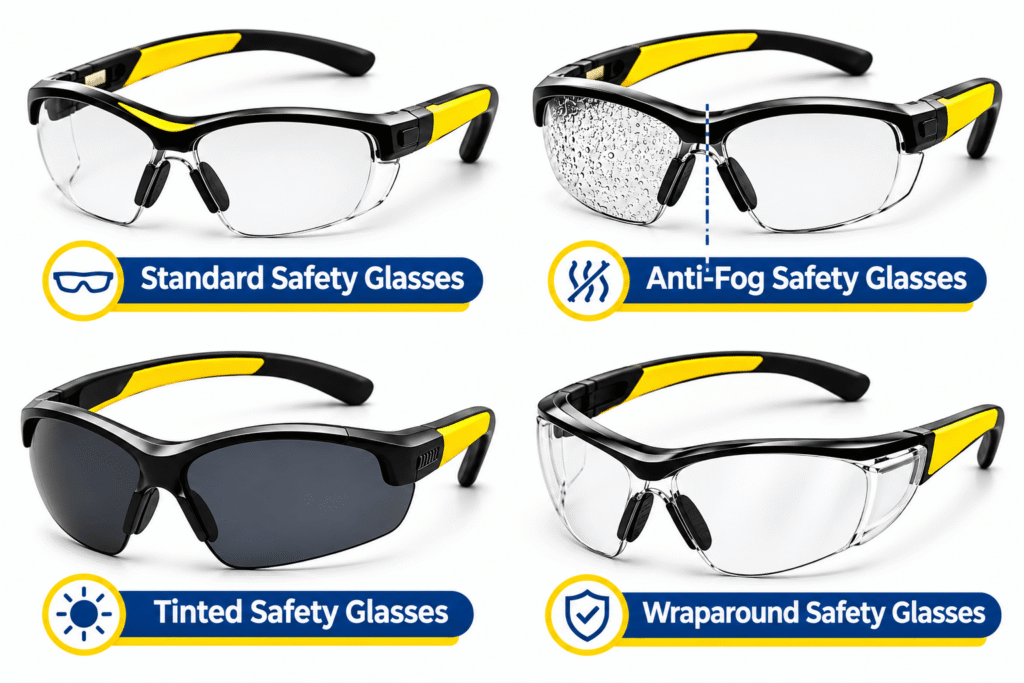
1. Standard Clear Safety Glasses
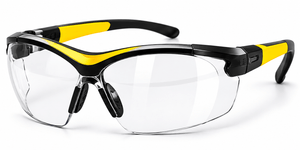
Clear safety glasses are a practical choice for many indoor construction tasks, workshops, and electrical installation jobs where flying particles are a concern.
Their transparent lenses allow workers to see details clearly without significantly changing the appearance of colors.
When choosing a pair, look for a comfortable frame, suitable side protection, and certification appropriate for the hazards at your workplace.
2. Anti-Fog Safety Glasses
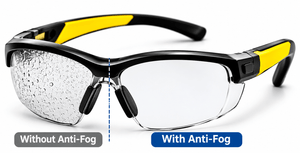
Fogging can make it difficult to see clearly when working in humid environments, wearing a face covering, or moving between different temperatures.
Anti-fog safety glasses use a lens coating or another design feature intended to reduce condensation.
They can be useful for workers who frequently experience fogging, but the performance depends on the product and working conditions.
Choose a model with a manufacturer-specified anti-fog feature, and clean the lenses according to the manufacturer’s instructions. Avoid wiping them with materials or chemicals that could damage the coating.
3. Tinted Safety Glasses
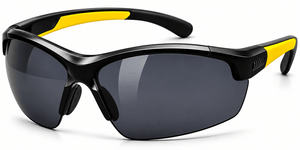
Tinted safety glasses may be useful in bright outdoor conditions because they can reduce visible glare and improve visual comfort.
Different lens tints serve different purposes, so do not assume that a darker lens automatically provides better protection.
Ordinary tinted lenses should not be used as a substitute for specialist protection against welding radiation, lasers, or other hazardous light sources. Those tasks require eye protection specifically rated for the relevant hazard.
4. Wraparound Safety Glasses
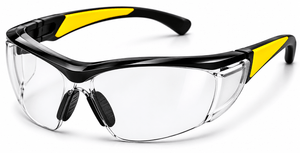
Wraparound safety glasses curve around the face and can provide additional side coverage compared with some traditional frame designs.
They are often suitable for construction, maintenance, woodworking, and other tasks where particles may approach from different directions.
Check that the glasses fit securely without pressing uncomfortably against your temples or interfering with other protective equipment.
Wraparound glasses are not automatically suitable for every hazard. Fine dust, chemical splashes, and certain high-impact tasks may require protective goggles or additional protection.
What to Look for When Buying Safety Glasses
1. Safety Standards and Certification
One of the most important considerations is whether the glasses meet the safety requirements applicable to your workplace.
In the United States, ANSI/ISEA Z87.1 is a widely used standard for occupational and educational eye and face protection. In Europe, applicable requirements may include EN ISO 16321 or relevant EN 166-certified products, depending on the product and market.
Check the manufacturer’s markings, documentation, and declared intended use. Do not rely on appearance alone or assume that every pair advertised as safety glasses provides the same level of protection.
2. Impact Protection and Side Shields
Flying particles can come from the front or sides during drilling, cutting, grinding, and other construction activities.
Choose safety glasses with appropriate impact protection and side protection for the task. Some products have integrated side shields, while others use a wraparound design.
For higher-risk work, ordinary safety glasses may not provide enough coverage. Protective goggles or a face shield worn over suitable eye protection may be necessary.
3. Lens Material and Optical Clarity
Safety lenses are commonly made from impact-resistant materials such as polycarbonate.
Good optical clarity is important because workers need to identify small components, read markings, and judge distances accurately.
Look for lenses that provide clear vision without significant distortion. Scratched, damaged, or badly clouded lenses should be replaced when they interfere with visibility or no longer provide the required protection.
4. Anti-Fog and Scratch-Resistant Features
Anti-fog coatings can help maintain visibility in humid or changing conditions. Scratch-resistant coatings can help reduce everyday surface damage.
These features are useful, but neither makes the glasses indestructible. Follow the manufacturer’s cleaning and storage instructions to help preserve the lenses and coatings.
5. Comfort and Proper Fit
Safety glasses should fit securely without slipping down your nose or causing excessive pressure around your ears.
Consider the shape of the frame, adjustable nose pads, temple design, and the amount of coverage around the eyes.
If you wear prescription glasses, choose protective eyewear designed to fit over them or obtain prescription safety glasses that meet the applicable safety requirements.
6. Compatibility With Other PPE
Construction workers may need to wear safety helmets, hearing protection, respirators, or face shields at the same time.
Check that your safety glasses work properly with the other equipment you need. Poor compatibility can create gaps in protection or make the glasses uncomfortable to wear.
Safety Glasses for Electricians and Construction Workers
Electricians often work in confined spaces, above ceilings, inside electrical cabinets, and around drilling or cutting activities.
For these jobs, suitable eye protection can help protect against dust and flying particles. Select glasses according to the actual task and its hazards.
Important: Ordinary safety glasses do not protect against every electrical hazard, including the intense heat, light, and debris that may result from an electrical arc. Work involving potential arc-flash exposure requires a proper hazard assessment and appropriately rated protective equipment.
Always follow electrical safety procedures and use the protection required for the specific work being performed.
For another important part of construction PPE, see our guide to How to Choose the Right Safety Helmet for Construction Work.
How to Clean and Maintain Safety Glasses
Regular cleaning helps preserve visibility and makes it easier to identify damage before using your glasses.
Follow these basic steps:
- Inspect the lenses: Check for cracks, deep scratches, loose parts, or other damage before use.
- Clean carefully: Use the cleaning method and products recommended by the manufacturer.
- Avoid harsh chemicals: Unapproved solvents and abrasive materials may damage lenses or protective coatings.
- Store them properly: Keep the glasses in a suitable case or clean storage area when they are not being used.
- Replace damaged eyewear: Do not continue using glasses that are cracked, badly scratched, or otherwise unable to provide the required protection.
Do not modify the frame or remove protective components unless the manufacturer explicitly permits it.
Common Mistakes to Avoid
When buying or using safety glasses, avoid these common mistakes:
- Choosing ordinary glasses instead of certified safety eyewear.
- Assuming every pair protects against high-impact hazards.
- Ignoring side protection when flying particles are present.
- Using tinted glasses for welding without the correct filter rating.
- Wearing scratched or damaged lenses that interfere with vision.
- Choosing a frame that slips, presses uncomfortably, or interferes with other PPE.
- Assuming anti-fog or scratch-resistant coatings eliminate the need for proper care.
The right choice depends on the hazards, not simply the appearance or price of the glasses.
Final Buying Checklist
Before purchasing safety glasses for construction, check the following:
- The eyewear meets the applicable safety standard for your workplace.
- The lenses provide suitable protection for the hazards involved.
- Side protection is provided where necessary.
- The lenses offer clear vision and an appropriate tint for the task.
- The frame fits comfortably and stays securely in place.
- Anti-fog features are available if your working conditions require them.
- The glasses are compatible with your other protective equipment.
- The manufacturer provides clear instructions for cleaning, inspection, and replacement.
Taking a few minutes to check these details can help you select eye protection that is suitable for your work.
For additional guidance, consult the official OSHA Eye and Face Protection Standards.
You can also read our guide to How to Choose the Right Safety Boots for Construction Work when reviewing the protective equipment you need on site.
Conclusion
Choosing the right safety glasses for construction is an important step in protecting your eyes at work. Focus on the hazards you face, appropriate safety certification, impact protection, side coverage, comfort, and compatibility with other PPE.
The best pair is not necessarily the most expensive one. It is the pair that meets the required safety standards, fits properly, and provides the right protection for the job.
Inspect your eyewear regularly and replace it whenever damage or the manufacturer’s instructions indicate that replacement is necessary. Proper eye protection, combined with safe working practices, helps create a safer construction environment.