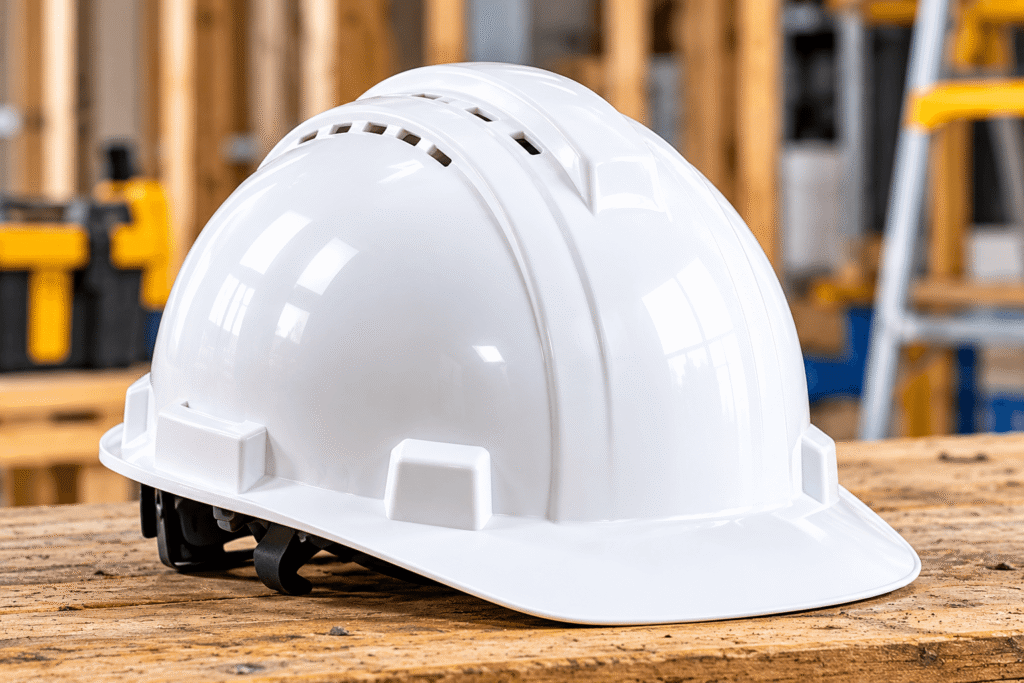
A safety helmet for construction helps protect workers from certain head injuries caused by falling objects and accidental impacts. Choosing the right helmet starts with understanding workplace hazards and checking the required safety standards.
However, not every safety helmet provides the same level of protection. Choosing the right one means understanding the risks at your workplace, checking the relevant safety standards, and making sure the helmet fits properly.
In this guide, we explain what to look for when buying a construction safety helmet, how to inspect it, and how to maintain it for reliable protection.
Why Is a Safety Helmet Important?
Construction sites can expose workers to several head-injury hazards. Tools or materials may fall from above, and workers may accidentally hit their heads against beams, pipes, scaffolding, or other fixed objects.
A suitable safety helmet is designed to reduce the risk of certain head injuries. Depending on its design and certification, it may also provide protection against specific electrical hazards.
A helmet is not a substitute for safe working practices. Workers should still follow site safety procedures, keep work areas organized, and control hazards wherever possible.
How to Choose a Safety Helmet for Construction
Before buying a helmet, consider the type of work you perform and the hazards you may encounter.
1. Standard Construction Hard Hats
Standard hard hats are commonly used on construction sites, in workshops, and in other industrial environments. They typically feature a rigid outer shell and an internal suspension system designed to help absorb and distribute impact forces.
When choosing one, check that it meets the safety standard required for your workplace and that its design is suitable for the hazards identified on site.
2. Safety Helmets with Chin Straps
Some safety helmets include a chin strap to help keep the helmet securely in place when workers bend, climb, or move around frequently.
This feature can be useful for certain construction tasks, work at height, and other situations where a helmet might otherwise come loose. Choose a helmet and strap system approved for the intended application.
3. Helmets for Electrical Work
Electricians must pay particular attention to electrical protection when selecting head protection.
A standard construction hard hat should not automatically be considered electrically insulating. If electrical hazards are present, check the helmet’s specific electrical rating, certification, limitations, and the requirements of the workplace.
A helmet alone does not make electrical work safe. Appropriate isolation procedures, electrical protective equipment, and safe working practices remain essential.
What to Look for When Buying a Safety Helmet
1. Safety Standards and Certification
Check the manufacturer’s label and documentation before purchasing a helmet. Depending on your location and workplace, relevant standards may include ANSI/ISEA Z89.1 or EN 397.
These standards have different requirements, so do not assume that every helmet certified to one standard provides the same protection as a helmet certified to another.
Always confirm that the helmet meets the requirements for your specific job.
2. A Comfortable and Secure Fit
A helmet must fit properly to provide the protection for which it was designed.
Look for an adjustable suspension system that allows you to secure the helmet without excessive pressure. The helmet should remain stable when you move your head.
Avoid wearing a helmet that is too loose, damaged, or incompatible with the manufacturer’s instructions.
3. Shell and Suspension Quality
Inspect the outer shell and internal suspension system. Look for a well-made helmet with clear manufacturer information and instructions for adjustment and maintenance.
The suspension system is important because it helps manage impact forces. Do not remove it, modify it, or replace its components with incompatible parts.
4. Compatibility with Other PPE
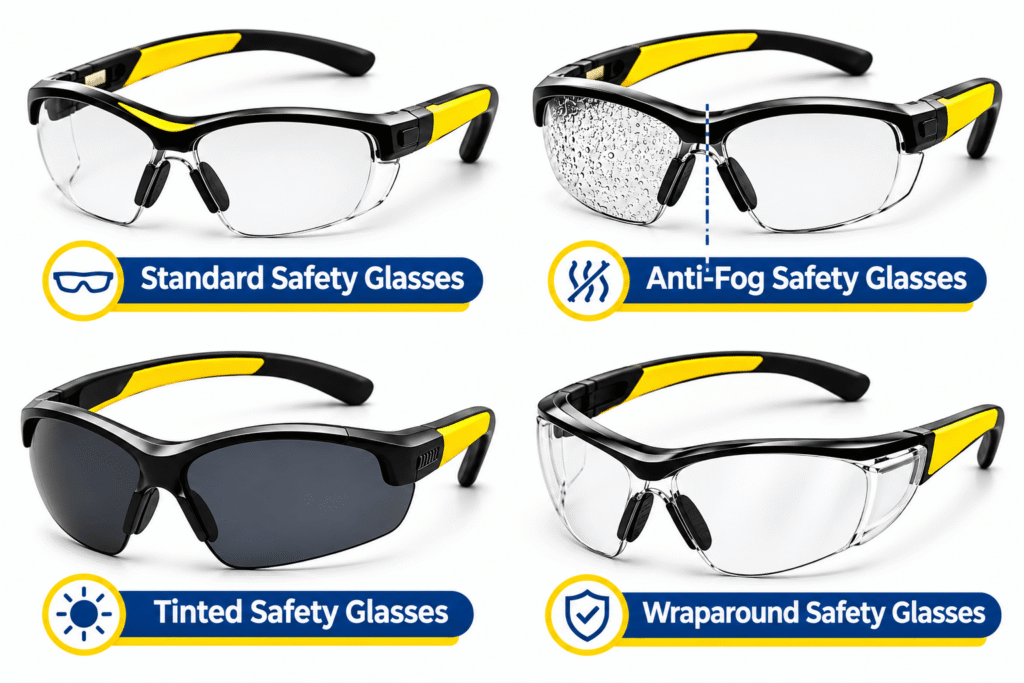
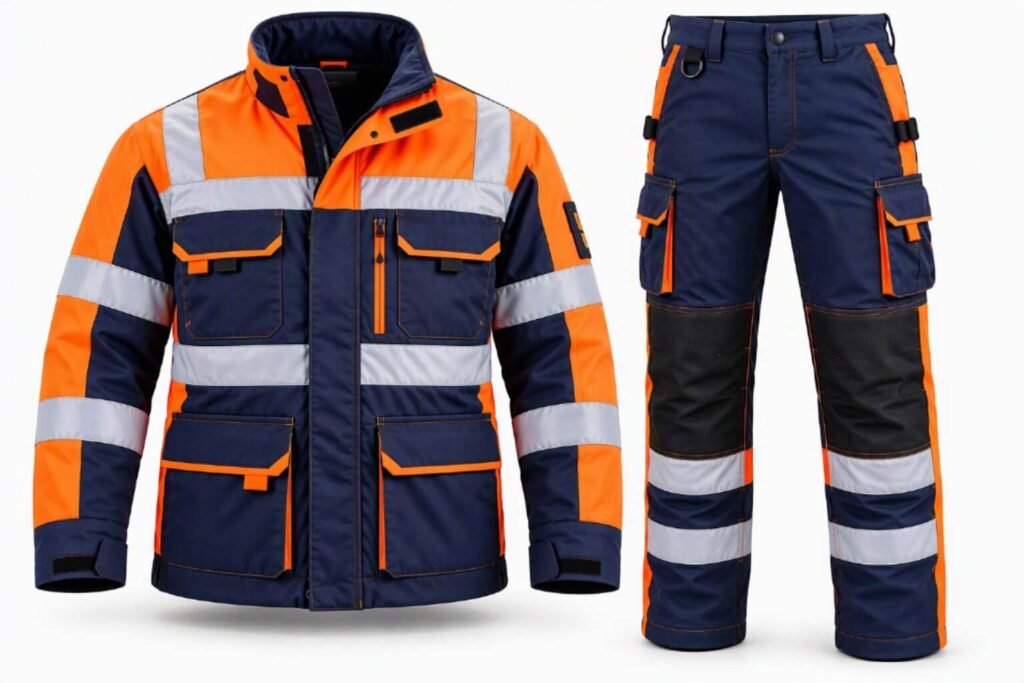
Construction workers may need to wear safety glasses, hearing protection, face shields, or other protective equipment at the same time.
Check whether the helmet is designed to work with the accessories you need. Only use compatible accessories approved by the manufacturer.
You can also read our guide to choosing the right safety boots for construction work when planning your personal protective equipment.
5. Ventilation and Comfort
Ventilation may improve comfort in hot working conditions, but ventilated helmets are not suitable for every hazard.
If electrical risks are present, do not choose a ventilated model unless its certification and manufacturer documentation confirm that it is appropriate for the intended work.
Comfort matters because workers are more likely to wear equipment correctly when it fits well.
How to Inspect and Maintain a Safety Helmet
A helmet should be inspected regularly and maintained according to the manufacturer’s instructions.
Before use, check the following:
- Outer shell: Look for cracks, splits, dents, unusual discoloration, or other signs of damage.
- Suspension system: Check for worn, broken, stretched, or missing components.
- Adjustment mechanism: Make sure it works correctly and holds the helmet securely.
- Accessories: Confirm that attached equipment is compatible and properly fitted.
- Cleanliness: Clean the helmet using only methods and products approved by the manufacturer.
Replace the helmet if it has been damaged, has suffered a significant impact, or has reached the manufacturer’s specified service life. Follow the manufacturer’s instructions because some damage may not be obvious.
Do not paint the shell, apply unapproved solvents, drill holes, or make other modifications unless the manufacturer explicitly permits them.
Common Mistakes to Avoid
When buying or using a construction helmet, avoid these common mistakes:
- Choosing a helmet based on appearance or price alone.
- Assuming every hard hat protects against electrical hazards.
- Using a helmet with a cracked shell or damaged suspension.
- Ignoring the manufacturer’s replacement instructions.
- Adding accessories that have not been approved for the helmet.
- Assuming a helmet eliminates the need for other safety measures.
The best choice is a helmet that is appropriate for the hazards, properly certified, comfortable, and maintained according to the manufacturer’s guidance.
Final Buying Checklist
Before purchasing a safety helmet, make sure you have checked:
- The hazards present in your workplace.
- The applicable safety standard and certification.
- The correct fit and adjustment system.
- Any specific electrical protection requirements.
- Compatibility with your other PPE.
- The manufacturer’s inspection, cleaning, and replacement instructions.
Taking a few minutes to check these details can help you choose head protection that is suitable for your work.
For additional practical information about working safely on construction sites, see our guide to choosing the right high-visibility safety vest.
Official Safety Guidance
For further information about head protection and other construction PPE requirements, consult the Occupational Safety and Health Administration (OSHA) — Personal Protective Equipment in Construction.
Conclusion
Choosing the right safety helmet is an important step in protecting yourself on a construction site. Focus on the hazards you face, the relevant safety standards, a secure fit, and compatibility with any additional protective equipment you need.
Inspect your helmet regularly and replace it whenever required by its condition or the manufacturer’s instructions. The right equipment, combined with proper training and safe working practices, helps create a safer working environment.