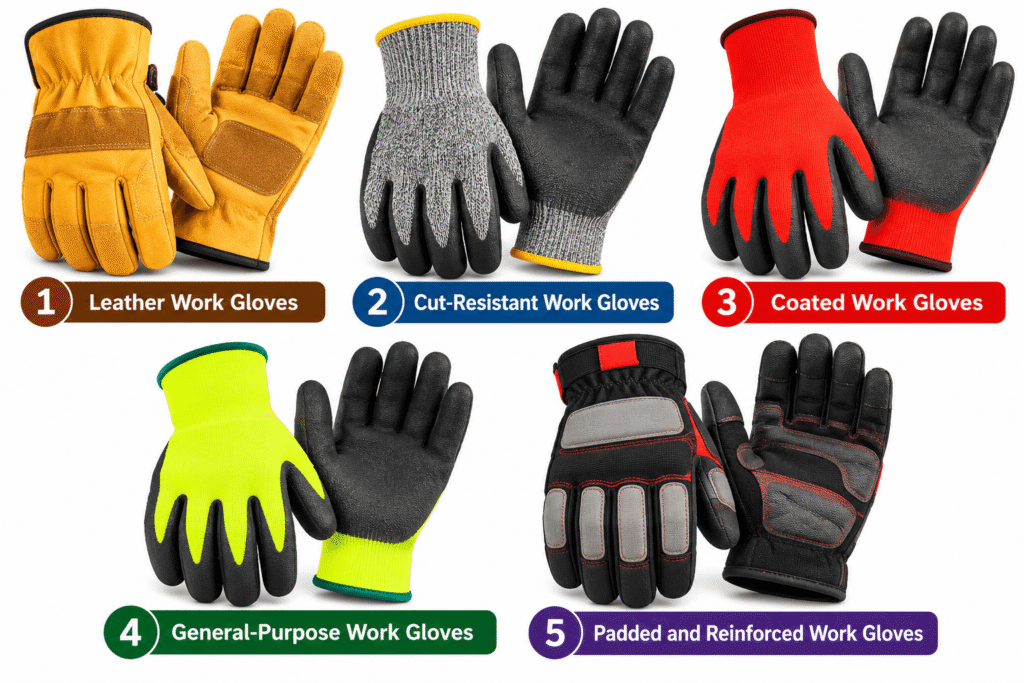
Choosing the right work gloves for construction is essential for protecting your hands and staying comfortable on the job. Different tasks expose workers to cuts, abrasions, rough materials, and impact.
However, not all work gloves provide the same level of protection. Some are designed for handling heavy materials, while others offer better grip, cut resistance, or extra padding.
Choosing the right protective equipment is essential on a construction site. Read our guide to Safety Boots for Construction: How to Choose the Right Work Boots to learn how to protect your feet while working.
In this guide, we will explain five common types of construction work gloves, their main uses, and what to consider before choosing a pair for your job.
Why Are Work Gloves Important on Construction Sites?
Construction workers use their hands throughout the working day. Whether you are handling building materials, carrying tools, working with metal, or performing installation tasks, the right gloves can help reduce the risk of certain hand injuries.
Good work gloves can provide protection against abrasion, improve grip, and make some tasks more comfortable. However, gloves must be selected according to the hazards involved. A general-purpose glove cannot protect against every workplace risk.
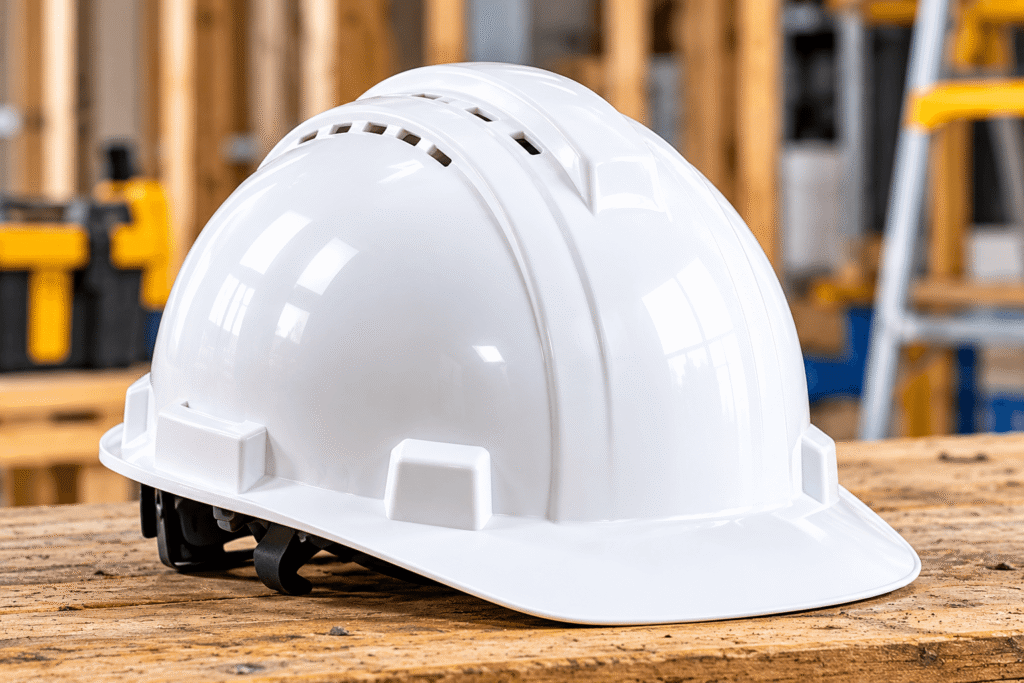
Hand protection is only one part of construction site safety. Our guide, How to Choose the Right Safety Helmet for Construction Work, explains how to choose the right helmet to help protect your head on the job.
Before choosing gloves, consider the materials you handle, the type of work you perform, and the level of protection required.
1. Leather Work Gloves
Leather work gloves are commonly used for handling rough materials and performing demanding construction tasks. Depending on their design and material, they can provide good abrasion resistance and help protect the hands against scrapes and everyday wear.
They are useful for tasks such as carrying lumber, handling bricks, moving building materials, and performing general site work.
Main Advantages
- Durability: Quality leather gloves can withstand repeated handling of rough materials.
- Abrasion protection: They can help reduce scrapes and wear during manual work.
- Comfort: Some leather gloves become more flexible as they are used.
- General construction use: They are suitable for many material-handling tasks when their protection matches the job.
What to Consider
Leather gloves can become stiff or uncomfortable when wet, depending on the leather and construction. They may also be unsuitable for tasks requiring high dexterity or specialized chemical protection.
Choose a pair that fits properly and provides the protection needed for your particular work.
2. Cut-Resistant Work Gloves
Cut-resistant work gloves are designed to help reduce the risk of cuts when handling materials with sharp edges. They are often made from specialized fibers and may include additional coatings to improve grip.
These gloves can be useful when handling sheet metal, sharp-edged components, glass, and other materials that may cut the skin.
Main Advantages
- Cut resistance: Designed to reduce the risk of certain cuts when selected for the correct hazard.
- Dexterity: Many models allow workers to handle small parts and tools with reasonable precision.
- Grip: Some gloves include coated palms to improve handling.
- Different protection levels: Available models provide different levels of cut resistance.
What to Consider
Cut-resistant gloves do not make the hands completely cut-proof. Check the glove’s tested protection rating and make sure it matches the sharpness of the material and the task.
They are not automatically suitable for puncture hazards, chemical exposure, or electrical work. Always follow the manufacturer’s instructions and workplace safety requirements.
3. Coated Work Gloves
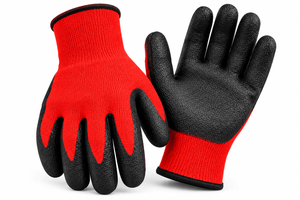
Coated work gloves usually have a fabric liner with a protective coating on the palm and fingers. Common coating materials include nitrile, latex, and polyurethane.
The coating can improve grip and provide different levels of resistance to abrasion, depending on the glove’s design. These gloves are often used for handling tools, small components, packaging, and construction materials.
Main Advantages
- Improved grip: Coatings can help workers hold tools and materials securely.
- Good dexterity: Many lightweight models are suitable for handling smaller components.
- Comfort: Fabric liners can offer flexibility and breathability.
- Versatility: Different coatings are designed for different working conditions.
What to Consider
Not every coating performs equally well in wet, oily, or dusty conditions. Choose gloves according to the materials you handle and the conditions in which you work.
Also check whether the coating is compatible with any chemicals or substances encountered on the job. Do not assume that a coated glove provides chemical protection unless its specifications confirm it.
4. General-Purpose Work Gloves
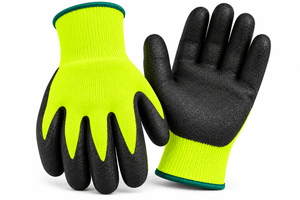
General-purpose work gloves are designed for everyday tasks that do not require specialized hand protection. They are commonly used for moving materials, carrying equipment, cleaning work areas, and performing basic maintenance.
These gloves are available in different fabrics, thicknesses, and designs. Some offer lightweight flexibility, while others provide additional reinforcement for more demanding handling tasks.
Main Advantages
- Versatility: Suitable for many routine tasks when the hazards are limited.
- Comfort: Lightweight designs can be comfortable for extended use.
- Flexibility: Many models allow natural hand movement.
- Practicality: They can be useful for general handling and everyday site work.
What to Consider
General-purpose gloves do not necessarily provide cut resistance, impact protection, chemical resistance, or electrical insulation.
Before using them, identify the hazards involved in the task. If the work requires specialized protection, choose gloves specifically designed and tested for that purpose.
5. Padded and Reinforced Work Gloves
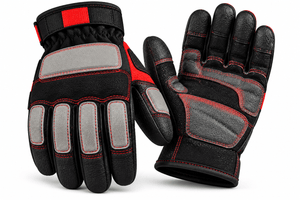
Padded and reinforced work gloves are designed to provide additional protection in areas such as the palms, knuckles, and fingers. Their construction varies, and some models include extra material to improve durability or reduce discomfort during demanding manual work.
They can be useful for handling heavy materials, repetitive manual tasks, and certain jobs where the hands may experience knocks or contact with rough surfaces.
Main Advantages
- Extra reinforcement: Additional material can improve durability in high-wear areas.
- Added padding: Padding may improve comfort during certain manual tasks.
- Protection against minor impacts: Some designs offer protection against specific impact hazards.
- Durability: Reinforced areas can help gloves withstand repeated use.
What to Consider
Padding and reinforcement do not guarantee protection against every impact or crushing hazard. Check the product specifications to understand what the gloves are designed to protect against.
Thicker gloves may also reduce dexterity, making precise work more difficult. Choose a design that balances protection, comfort, and control for your task.
How to Choose the Right Work Gloves
Before buying construction work gloves, consider the following factors.
When selecting work gloves for construction, always consider the specific hazards, required protection, and comfort needed for your daily tasks.
1. Identify the Main Hazard
Think about the risks involved in your work. Sharp edges may require cut-resistant gloves, while rough materials may call for durable leather gloves. Tasks involving impact or specialized substances may require a different type of protection.
Choose gloves based on the actual hazard rather than appearance alone.
2. Check the Fit and Comfort
Gloves should fit securely without being too tight or too loose. Poorly fitting gloves can reduce control, make handling tools more difficult, and become uncomfortable during long working hours.
If possible, try the gloves before buying them and check whether you can grip tools and handle materials comfortably.
3. Consider Grip and Dexterity
A good grip helps you maintain control when handling tools and materials. Some jobs require thicker, more durable gloves, while others need thinner gloves that allow precise finger movements.
Choose a design that gives you the right balance for your work.
4. Check Safety Ratings and Manufacturer Instructions
Look for relevant safety standards and protection ratings where applicable. For example, EN 388 is a European standard used to classify protection provided by gloves against certain mechanical risks.
Read the manufacturer’s documentation and make sure the glove is appropriate for the task. Do not rely on a product’s name or appearance as proof of its protection level.
For broader guidance on personal protective equipment, consult the OSHA hand protection requirements.
5. Inspect and Replace Damaged Gloves
Check your gloves regularly for tears, holes, worn coatings, damaged seams, or other signs of deterioration. Damaged gloves may no longer provide the intended protection.
Clean and store them according to the manufacturer’s instructions, and replace them when they are no longer suitable for use.
Important Safety Note for Electrical Work
Ordinary leather, coated, cut-resistant, and general-purpose work gloves are not substitutes for electrical insulating gloves.
Electrical work can expose workers to serious shock and arc-related hazards. The correct protective equipment depends on the task, the voltage, the work method, and the applicable safety requirements.
Never assume that ordinary work gloves provide electrical insulation. Where electrical insulating gloves are required, use properly rated equipment and follow the relevant procedures and manufacturer instructions.
Final Thoughts
Choosing the right work gloves for construction helps protect your hands while improving comfort and grip during daily tasks.
The best choice depends on the hazards you face, the materials you handle, and the level of protection required for your work.
Before starting a job, check that your gloves fit properly, are in good condition, and are designed for the task. The right protective equipment is an important part of working safely on any construction site.