Choosing the right portable air compressor can make workshop and construction tasks easier, but not every compressor is suitable for every job. A carpenter using a pneumatic nail gun, a painter spraying wooden doors, and a mechanic operating an impact wrench may have very different air requirements.
This guide explains how portable air compressors work, which specifications matter most, and how to choose the right model for different workshop and construction applications. It also helps tradespeople compare their options and avoid buying a compressor that cannot keep up with their tools.
What Is a Portable Air Compressor?
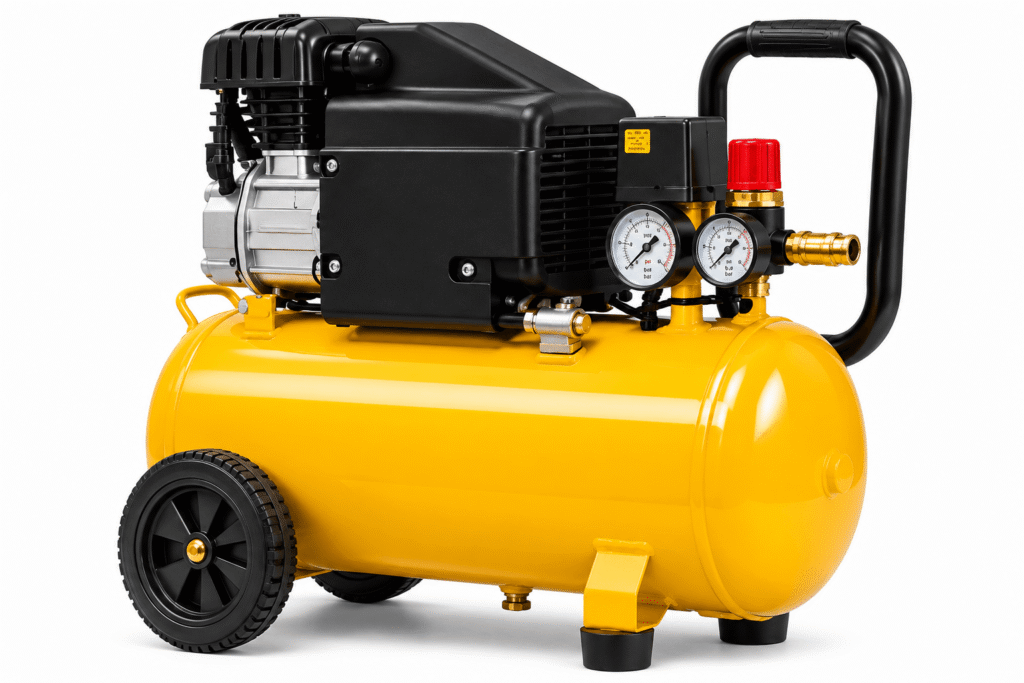
A portable air compressor draws in air, compresses it, and stores it in a tank or supplies it directly to a connected tool, depending on its design. Compressed air can power compatible pneumatic tools and support tasks such as spray painting and inflation.
Portable compressors come in different sizes and configurations. Smaller models may suit occasional workshop tasks, while larger units may be necessary for tools that consume more air or need to operate for longer periods.
Before choosing a model, consider the tools you plan to use, how often you will use them, and whether you need to move the compressor between work areas.
How to Choose an Air Compressor for Your Work
The best starting point is the tool you intend to operate. Check its manufacturer’s instructions for the required operating pressure and air consumption, then choose a compressor that can meet those requirements.
1. For Carpentry and Pneumatic Nail Guns
Carpenters may use pneumatic brad nailers, finish nailers, or framing nailers for different types of work. These tools do not all have identical air requirements.
For occasional trim work or furniture assembly, a compact compressor may be sufficient if its delivered airflow and pressure meet the nailer’s specifications. More demanding work or frequent firing may require a compressor with greater air delivery and recovery capacity.
Before buying, check:
- The nailer’s required operating pressure.
- Its air consumption and recommended compressor capacity.
- The tank size and how quickly the compressor recovers after use.
- The hose length, fittings, and overall portability.
Do not select a compressor based on tank size or maximum pressure alone. The compressor must deliver enough air for the tool to work reliably.
2. For Painting Doors, Woodwork, and Applying Varnish
A suitable compressor can supply air to compatible spray guns used for painting doors, furniture, cabinets, and other surfaces. It may also be used for applying varnish when the spray gun and coating are designed to work together.
Spray guns vary considerably in their air consumption. Some require a relatively modest airflow, while others need a much greater continuous supply. A compressor that works for a small touch-up gun may struggle to support a different gun used for larger surfaces.
Before choosing a compressor, check:
- The spray gun’s required pressure and air consumption.
- Whether the compressor can supply the required airflow continuously.
- The need for suitable air filtration and moisture control.
- The coating manufacturer’s instructions for application and equipment compatibility.
Moisture or oil carried in the compressed air can affect the finish, so suitable filtration and air treatment may be necessary. The correct setup depends on the compressor, spray gun, and coating being used.
Important safety note: Spray painting can expose workers to hazardous mists, vapours, and solvents. Use appropriate ventilation, follow the coating’s safety data sheet, and select suitable protective equipment. Some coatings require specialised respiratory protection. See the Canadian Centre for Occupational Health and Safety spray-painting guidance.
3. For Automotive and Mechanical Work
In a garage or workshop, compressed air may operate tools such as pneumatic impact wrenches, air ratchets, and blow guns. These tools can have different airflow demands, particularly when used repeatedly or for extended periods.
An impact wrench that works intermittently may have different practical requirements from a tool used continuously on a busy workbench.
When choosing a compressor for mechanical work, consider:
- The tool’s specified operating pressure.
- Its air consumption at the stated working pressure.
- How frequently and how long the tool will operate.
- Whether several tools will be used at the same time.
If the compressor cannot provide enough air, the tool may lose performance or the compressor may run frequently while trying to maintain pressure.
4. For General Workshop Cleaning and Inflation
A compressor may also be useful for inflating suitable tyres or equipment and for certain cleaning tasks when used with compatible accessories.
However, a tyre inflator is not necessarily the same as a workshop compressor designed to power pneumatic tools. Some inflators are intended mainly for high-pressure, low-volume applications and may not deliver enough airflow for a nail gun, spray gun, or impact wrench.
For cleaning, never direct compressed air at your body or another person. Air can drive particles into the eyes or skin and create other serious hazards. Use suitable eye protection and follow workplace safety procedures.
Key Air Compressor Specifications Explained
Understanding the specifications helps you compare models on a like-for-like basis.
Air Pressure: PSI and Bar
Pressure is commonly measured in pounds per square inch (PSI) or bar. It indicates the pressure available to operate a tool.
A higher maximum pressure does not automatically mean a compressor is better. The pressure must meet the connected tool’s requirements, and the compressor must also deliver sufficient airflow at that pressure.
Airflow: CFM and L/min
Airflow describes how much air a compressor can deliver. It is commonly expressed in cubic feet per minute (CFM) or litres per minute (L/min).
This is one of the most important specifications when choosing a compressor for pneumatic tools. Check the delivered airflow at the relevant pressure, rather than relying only on a headline figure that may be measured under different conditions.
For a useful technical explanation, consult the Atlas Copco compressor sizing guide.
Tank Capacity
The tank stores compressed air and can help the compressor meet short periods of higher demand. A larger tank may reduce how frequently the motor starts during some tasks, but it does not increase the compressor’s continuous air-delivery capacity by itself.
For tools that consume air continuously, the compressor’s actual airflow and recovery rate remain important.
Motor Power and Power Supply
Check the motor rating and the electrical supply required by the compressor. Make sure the available supply, socket, and any extension lead meet the manufacturer’s requirements.
Do not assume that a more powerful motor alone guarantees enough airflow. Compare the compressor’s rated air delivery with the needs of your tools.
Portability and Noise
A compact, lightweight compressor can be easier to move between jobs. Larger models may provide greater capacity but can be harder to transport and store.
Noise also matters in small workshops and indoor work areas. Check the manufacturer’s noise rating and consider whether the compressor’s location and operating schedule are suitable for your workplace.
Oil-Free or Oil-Lubricated: Which Is Better?
Oil-free compressors can be convenient for users who want to avoid routine compressor oil changes. Oil-lubricated models may be suitable for other applications, depending on their design and maintenance requirements.
Neither type is automatically the best choice for every workshop. Compare the manufacturer’s maintenance instructions, expected duty cycle, noise level, air quality requirements, and suitability for your intended work.
For spray painting, do not assume that an oil-free compressor removes the need for moisture control or air filtration. Follow the spray gun and coating manufacturers’ requirements.
Electric or Petrol-Powered Compressor?
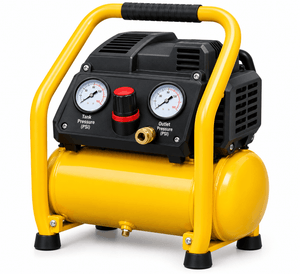
An electric compressor may be a practical option where a suitable electrical supply is available. Before purchasing, check the required voltage, current, starting requirements, and compatibility with the site’s power supply.
A petrol-powered compressor may be useful in certain outdoor locations where electrical power is unavailable. However, petrol engines produce exhaust gases and must never be operated indoors or in confined, poorly ventilated spaces.
Choose the power source according to the work location, the compressor’s specifications, and the applicable safety requirements.
Can One Compressor Handle Different Jobs?
Sometimes, but it depends on the tools.
A compressor that suits a pneumatic nailer may not provide enough continuous airflow for a particular spray gun or impact wrench. If you want one compressor for several applications, list the tools you expect to use and check each tool’s requirements.
Pay particular attention to the tool with the highest airflow demand. If several tools will operate simultaneously, calculate their combined air demand and allow for the manufacturer’s recommended operating margin.
Do not assume that one portable compressor will handle every tool simply because the fittings connect.
Maintenance Tips for Longer Service Life
Regular maintenance helps keep a compressor operating as intended. Always follow the instructions for your specific model.
- Inspect hoses, fittings, and connections for damage or leaks.
- Drain accumulated tank moisture according to the manufacturer’s instructions.
- Clean or replace air filters as specified.
- Check oil levels on oil-lubricated models.
- Keep ventilation openings clear and the compressor in a suitable location.
- Disconnect the power supply and release pressure as directed before carrying out maintenance.
- Never modify, weld, or attempt an unauthorised repair on a pressurised air tank.
If the compressor develops unusual noise, excessive vibration, damaged wiring, or a pressure-control problem, stop using it and arrange a suitable inspection.
What to Check Before Buying
Use this checklist when comparing portable air compressors:
- Intended use: Nail guns, spray painting, mechanical tools, inflation, or several applications.
- Required pressure: Confirm the operating pressure for each tool.
- Delivered airflow: Compare CFM or L/min at the relevant pressure.
- Tank capacity: Consider the work pattern and air demand.
- Power supply: Confirm that the site can safely supply the compressor.
- Portability: Consider weight, dimensions, handles, and storage.
- Noise: Check the published noise rating.
- Air quality: Determine whether filtration, moisture separation, or other treatment is needed.
- Maintenance: Review service requirements and the availability of replacement parts.
- Safety: Check the tank rating, pressure controls, instructions, and applicable safety requirements.
Final Thoughts
The best portable air compressor is not necessarily the biggest or the most powerful model. It is the one that reliably meets the pressure and airflow requirements of the tools you actually use.
For carpentry, focus on the nailer’s air requirements and working pattern. For painting and varnishing, check the spray gun’s airflow needs and air-quality requirements. For mechanical work, make sure the compressor can support the tool’s demand during the intended operating cycle.
Compare specifications carefully, follow the manufacturers’ instructions, and avoid buying based on maximum PSI or tank size alone. Taking these steps can help tradespeople choose equipment that suits their workshop, budget, and day-to-day work.
Related Guides
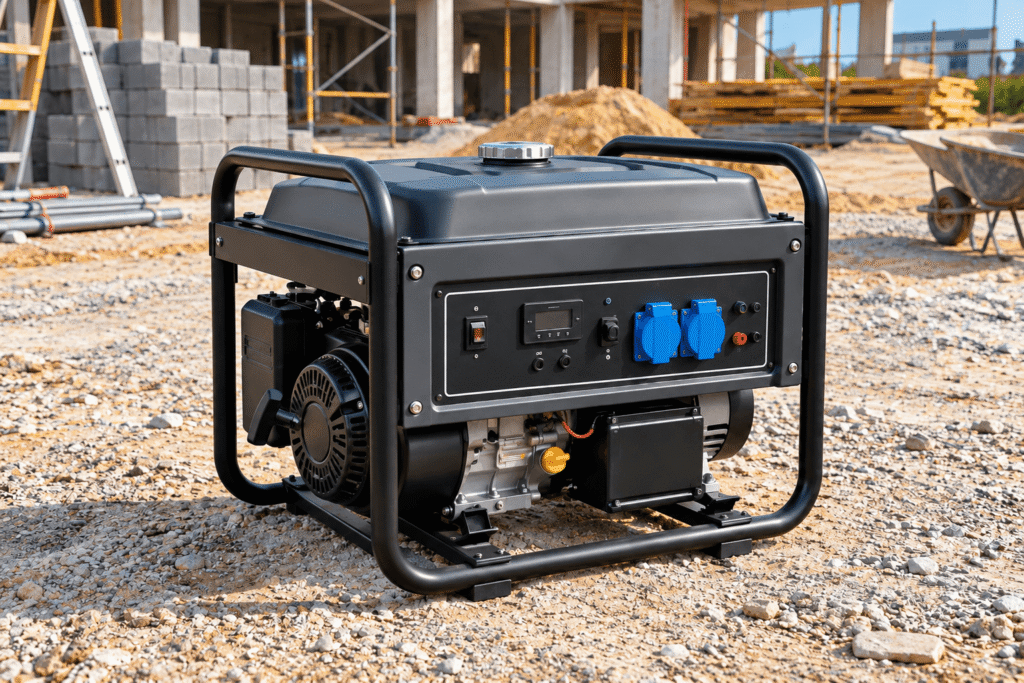
Portable Site Generators: A Practical Buying Guide for Tradespeople
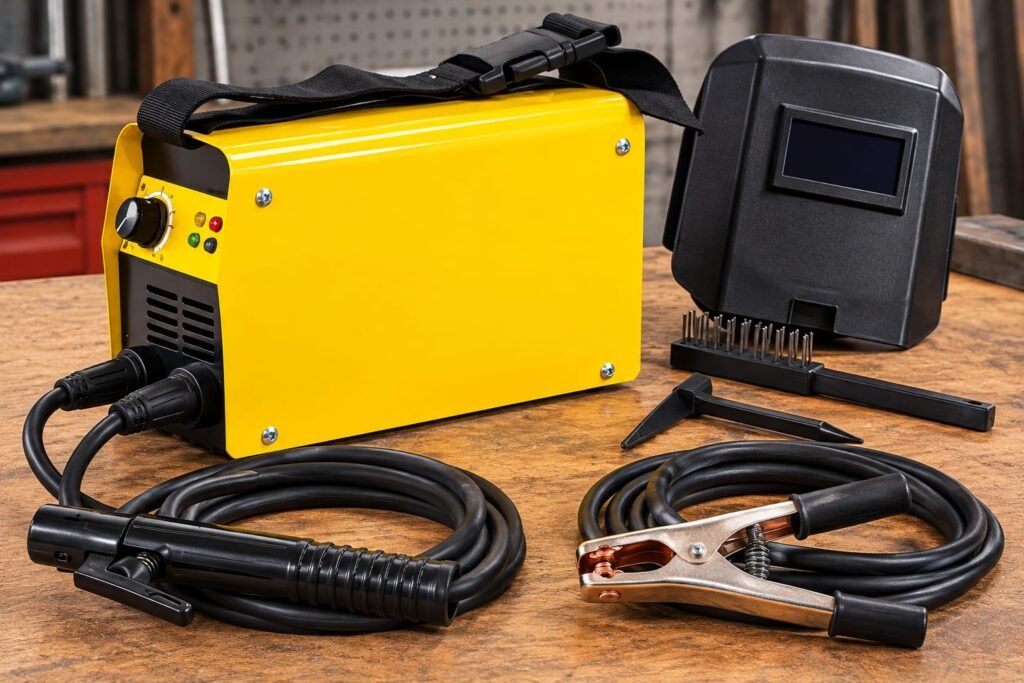
Best Welding Machines for Home and Workshop Use
These guides can help readers explore other equipment used in construction and workshop settings.