Why a Wall Chaser Is Useful for Clean Conduit Grooves
For electricians, plumbers, and construction professionals around the world, preparing clean channels in walls is an important part of many installation and renovation projects. Traditional methods, such as using a hammer and chisel, can require considerable physical effort and may produce uneven grooves and large amounts of debris.
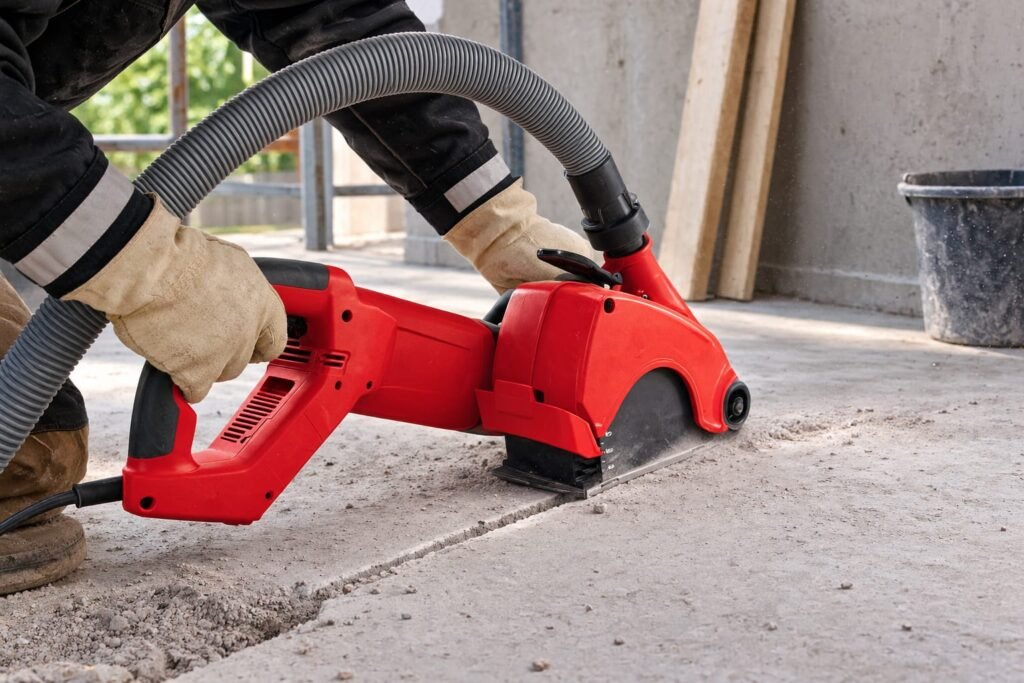
A wall chaser is a specialized power tool designed to cut parallel grooves into suitable masonry materials, including brick, concrete, and some types of blockwork. These channels can provide space for electrical conduit, cables, and certain pipe installations when the work is appropriate for the material and permitted by local building regulations.
Choosing the right wall chaser can help improve cutting consistency, reduce preparation time, and make installation work more manageable. However, the best model depends on the material, required groove dimensions, frequency of use, dust extraction system, and the user’s experience.
What to Consider Before Buying a Wall Chaser
Wall chasers are available in different sizes and power ratings. Before choosing one, compare the following specifications with the requirements of your typical jobs.
1. Motor Power and Cutting Performance
Motor power, measured in watts (W), is one factor that affects a corded wall chaser’s cutting performance. Models with higher power ratings may be better suited to demanding masonry work, but wattage alone does not determine how quickly or effectively a tool will cut.
For regular professional use, compare the manufacturer’s stated cutting capacity, recommended materials, operating speed, and overload protection. For occasional renovation work, a smaller model may be sufficient if its specifications match the task.
Always follow the manufacturer’s instructions and avoid forcing the machine through hard material. Excessive pressure can reduce cutting performance, increase wear, and create additional safety risks.
2. Blade Size and Cutting System
Many wall chasers use two parallel diamond cutting discs to create the edges of a channel. Some designs allow the spacing between the discs to be adjusted using the accessories or spacers supplied by the manufacturer.
Check the permitted disc diameter, bore size, maximum operating speed, and compatibility requirements before buying replacement blades. Use diamond discs specifically approved for the material being cut.
Never install discs that exceed the tool’s specified size or speed rating. Inspect cutting discs before use and replace any damaged or unsuitable accessories.
3. Adjustable Cutting Depth and Width
Cutting depth and groove width are essential considerations when selecting a wall chaser. Different installations require different channel dimensions, so check the tool’s adjustment range against your project requirements.
Some models provide depth adjustment and removable spacers for changing the distance between the discs. Others offer a more limited range. Do not assume that every wall chaser can produce the same groove dimensions.
Before cutting, confirm that the proposed channel is suitable for the wall construction and complies with applicable building regulations. Deep or extensive cuts can weaken masonry, and structural walls may require professional assessment before modification.
4. Handle Design and Ergonomics
Wall chasing can involve guiding a relatively heavy tool along horizontal, vertical, or angled paths. A comfortable handle, balanced body, and accessible controls can help the operator maintain control throughout the cut.
Consider the machine’s weight, grip position, vibration level, and ease of adjustment. If possible, compare the tool’s handling characteristics before purchasing it, especially if you expect to use it frequently.
Essential Features for Safety and Performance
1. Dust Extraction Compatibility
Cutting brick, concrete, and other masonry materials can release respirable crystalline silica dust. Exposure to this dust can cause serious lung disease, so dust control must be a priority rather than an optional extra.
Look for a wall chaser with a suitable dust extraction port and use it with a compatible, properly maintained dust extractor designed for hazardous construction dust. Check the manufacturer’s requirements for hose connections, extractor performance, and filter class. Depending on the material and local regulations, an appropriate M-class or H-class extractor may be required.
Keep the extraction system connected and operating as instructed. Do not rely on an ordinary household vacuum cleaner or a simple face covering as a substitute for suitable dust control and respiratory protection.
2. Soft Start and Electronic Protection
Some wall chasers include a soft-start function that gradually increases motor speed when the tool is switched on. This can make starting smoother and may help the operator maintain control.
Other models offer overload or temperature protection to help protect the motor during demanding work. These features vary between models, so check the official specifications rather than assuming that every machine includes them.
Electronic protection does not eliminate the risk of kickback or make an unsuitable cutting technique safe. Always hold the tool as directed by the manufacturer and use the correct starting and cutting procedure.
3. Blade Guard and Safety Controls
A suitable blade guard helps limit exposure to the rotating discs and directs debris away from the operator. Before each use, check that the guard is correctly fitted and that all adjustment and locking mechanisms work properly.
Choose a model with accessible controls and a design that allows secure handling. Never remove or modify safety guards to make a cut easier, and disconnect the power supply before changing discs or carrying out maintenance.
Corded vs. Cordless Wall Chasers
Corded wall chasers are often suitable for extended cutting sessions where a reliable power supply is available. They do not require battery changes, although the operator must manage the cable safely and use an appropriate electrical supply.
Cordless models can offer greater freedom of movement, particularly where access to mains power is limited. However, runtime, battery cost, charging time, and the ability to handle demanding masonry work should all be considered.
For frequent professional use, compare the complete system cost, including batteries, chargers, compatible blades, and dust extraction equipment. The best option is the one that suits your workload rather than simply the one with the highest advertised power rating.
How to Choose the Right Wall Chaser for Your Work
- For occasional DIY projects: Look for a model with suitable cutting capacity, clear instructions, and accessible replacement accessories.
- For electricians: Prioritize accurate depth adjustment, effective dust extraction, and compatibility with the conduit installation requirements.
- For plumbers: Check whether the tool is suitable for the materials and channel dimensions required for the specific pipework installation.
- For frequent professional use: Compare durability, ergonomics, vibration, service support, and the availability of approved replacement parts.
- For renovation work: Consider the tool’s weight, maneuverability, dust control, and ability to work in the available space.
Before purchasing, check the manufacturer’s documentation for the exact model. Product descriptions can differ in their stated cutting depth, groove width, included accessories, and compatibility with dust extractors.
Safe Operating Practices
Wall chasing requires proper preparation and safe handling. Always ensure your work area is completely clear of hidden services, use the correct safety equipment, and maintain a secure stance during operation.
Related Tool Guides
If you are comparing tools for electrical installations and renovation projects, these guides may also be useful for your workshop: