Introduction
High-visibility safety vests help construction workers remain visible in busy work environments where vehicles, heavy machinery, and other equipment operate nearby. These garments use fluorescent materials and reflective strips to improve visibility during daylight and low-light conditions.
However, not all high-visibility garments are the same. Some are lightweight and breathable, while others offer extra pockets, weather protection, or special material properties.
In this guide, we will look at six common types of high-visibility safety garments and explain their features, uses, and what to consider before choosing one.
Why Is High-Visibility Clothing Important?
Construction sites can be busy environments where workers, vehicles, and machines operate close to each other. A worker who is difficult to see may be at greater risk of being struck by moving equipment.
High-visibility clothing uses fluorescent background material to stand out during daylight. Reflective strips help return light toward its source, making the wearer more visible when illuminated by vehicle headlights in darker conditions.
The right garment should be selected according to the work environment, lighting conditions, and level of risk.
The right garment should be selected according to the work environment, lighting conditions, and level of risk. For more guidance, read the HSE advice on high-visibility clothing.
6 Common Types of High-Visibility Safety Vests and Clothing
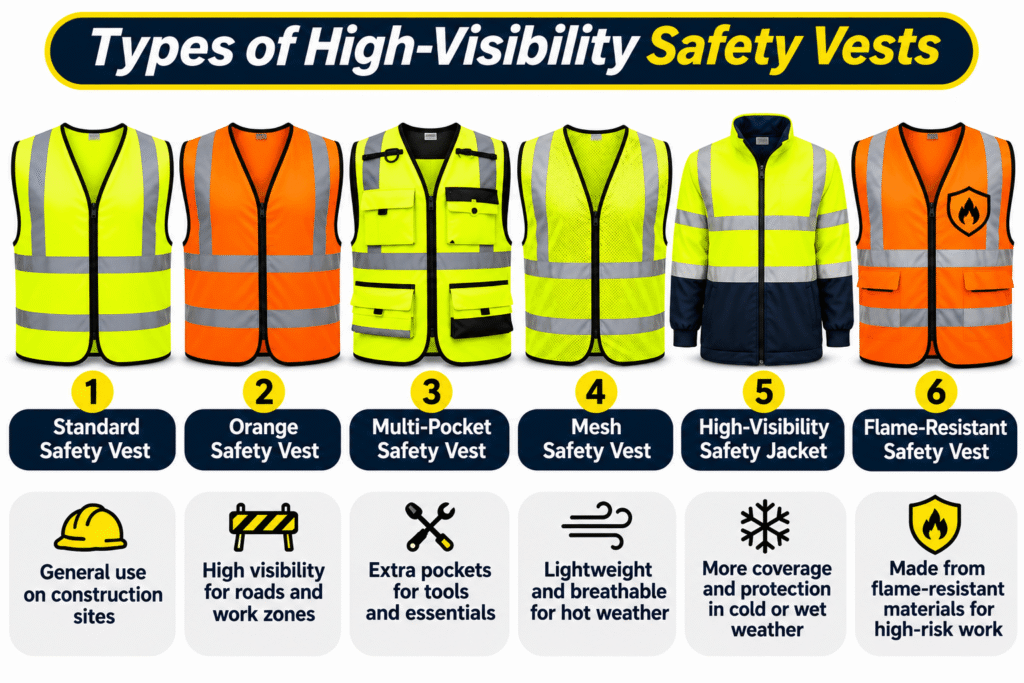
1. Standard High-Visibility Safety Vest
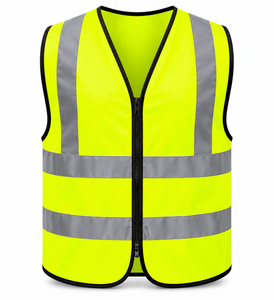
A standard high-visibility safety vest is one of the most common options on construction sites. It is usually made from fluorescent yellow or lime fabric with reflective strips across the body and shoulders.
This simple design helps workers remain visible while allowing freedom of movement. It is suitable for many general construction tasks when the site’s risk assessment and safety requirements allow this type of garment.
Best for: General construction work and everyday site activities.
2. Orange High-Visibility Safety Vest
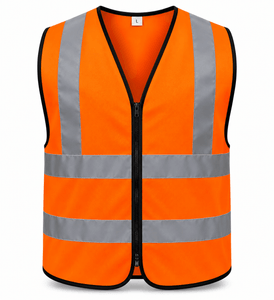
Orange high-visibility vests are another common option. They usually feature fluorescent orange fabric with reflective strips that improve visibility in suitable working environments.
Orange garments may be preferred in certain locations where the background makes yellow less noticeable, or where site rules specify orange clothing.
The best colour depends on the surroundings and the visibility requirements of the job.
Best for: Construction sites, road work, and work zones where orange is the required or more suitable colour.
3. Multi-Pocket High-Visibility Safety Vest
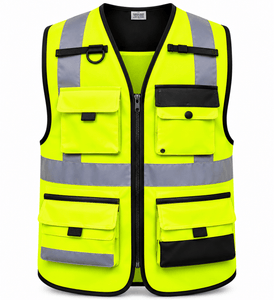
A multi-pocket safety vest combines visibility with practical storage. It includes several pockets for carrying small tools, pens, identification cards, notebooks, and other everyday items.
This design can be useful for supervisors, electricians, maintenance workers, and other professionals who need quick access to small equipment.
However, workers should avoid overloading the pockets because excessive weight can make the vest uncomfortable and affect movement.
Best for: Workers who need to carry small tools and essential items while working.
4. Mesh High-Visibility Safety Vest
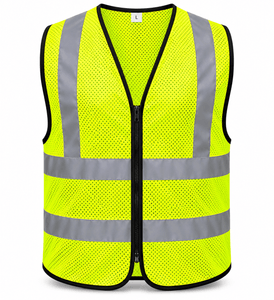
A mesh safety vest is made with breathable mesh fabric that allows more air to circulate around the body.
It can be a comfortable choice in hot weather, especially for workers who spend long hours outdoors or perform physically demanding tasks.
Like other high-visibility garments, it should have suitable fluorescent material and reflective strips for the conditions in which it will be used.
Best for: Outdoor construction work in warm weather and hot working environments.
5. High-Visibility Safety Jacket
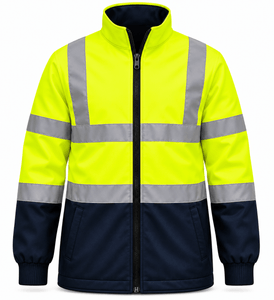
A high-visibility safety jacket provides more coverage than a sleeveless vest. It usually includes long sleeves, reflective strips, and sometimes darker sections that help reduce the appearance of dirt in frequently exposed areas.
Some models also provide protection against wind or rain, depending on their materials and construction.
For cold or wet conditions, workers should choose a jacket that provides the necessary weather protection while still meeting the visibility requirements of the job.
Best for: Outdoor construction work in cold, windy, or wet weather.
6. Flame-Resistant High-Visibility Safety Vest
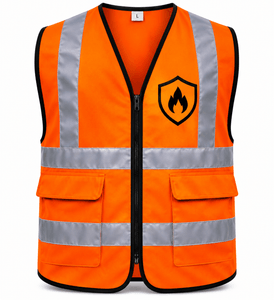
Flame-resistant high-visibility garments are designed for specific work environments where workers may face heat, sparks, or flame-related hazards.
These garments combine high-visibility features with materials designed to meet relevant flame-resistance requirements.
They are not a replacement for all other protective equipment. Workers must choose clothing that is certified and suitable for the actual hazards of their job. A standard high-visibility vest should never be assumed to provide flame protection.
Best for: Selected industrial, maintenance, and construction tasks where a risk assessment requires both high visibility and flame-resistant clothing.
How to Choose the Right High-Visibility Safety Vest
Before choosing a high-visibility vest or jacket, consider the following factors:
1. Visibility and Working Conditions
Think about where the work will take place. Workers near moving vehicles or heavy machinery may need a higher level of visibility than workers in areas with limited vehicle movement.
Consider daylight, darkness, artificial lighting, fog, rain, and the background colours around the work area.
2. Safety Standards
Check whether the garment meets the required high-visibility clothing standard for the job and location.
EN ISO 20471 specifies requirements for high-visibility clothing, including fluorescent colours, reflective performance, and the minimum areas and placement of materials.
The required garment class should be selected according to the workplace risk assessment and applicable local rules.
3. Comfort and Fit
A safety vest should fit properly without restricting movement. It should not be so loose that it catches on machinery or other objects.
For long working hours, lightweight and breathable materials may improve comfort.
4. Weather Conditions
Choose clothing that suits the weather. A lightweight mesh vest may be more comfortable in hot conditions, while a suitable high-visibility jacket may be more practical in cold or wet weather.
5. Compatibility with Other PPE
High-visibility clothing should work properly with other protective equipment. Make sure it does not interfere with safety helmets, gloves, safety footwear, eye protection, or other required PPE.
For more information about choosing protective equipment, see our guide: How to Choose the Right Safety Helmet for Construction Work.
Workers who also need hand protection can read: How to Choose the Right Work Gloves for Construction Jobs.
How to Maintain High-Visibility Clothing
High-visibility garments need proper care to remain effective.
- Follow the manufacturer’s washing instructions.
- Keep fluorescent fabric and reflective strips clean.
- Check the garment regularly for tears, fading, or damaged reflective material.
- Replace clothing when it becomes too worn or damaged.
- Store garments in a clean, dry place when not in use.
Dirty or damaged reflective strips may reduce visibility, so inspect your clothing regularly.
Conclusion
Choosing the right high-visibility safety vest or jacket is an important part of staying visible on a construction site. Standard vests, orange vests, multi-pocket designs, mesh vests, safety jackets, and flame-resistant garments each serve different needs.
The best choice depends on the working environment, weather conditions, job hazards, and the safety requirements of the site.
Always select certified clothing that is suitable for the actual risks, wear it correctly, and keep it clean and in good condition.
Stay visible, choose the right protection, and work safely.